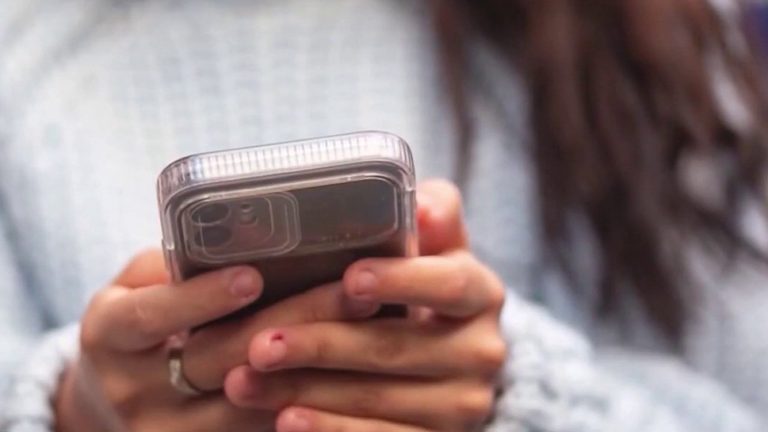
Starting today, August 24, Detroit Public Schools Community District (DPSCD) and school districts throughout Michigan are putting a new state law into practice that prohibits the use of cell phones from the first bell to the last. The rule, which applies to all grades, requires each school to decide how phones are stored—whether in lockers, locked pouches, or returned to students during breaks.
Why the ban was enacted
State officials say the ban is rooted in research on adolescent brain development. Developmental psychologist Dr. Nava Silton explained that phones can interfere with executive function, memory, cognitive flexibility, and impulse control, making it harder for students to concentrate and learn. “I think this will be a wonderful step in the right direction of ensuring that students are getting the utmost out of their school day,” Silton said.
Support from educators and parents
According to a recent district survey, more than 60% of middle‑school teachers report increased focus in class, and over 70% say students interact more with each other when phones are absent. Nearly all middle‑school parents surveyed expressed support for the policy.
Detroit parents echoed that sentiment. Della Santillan, a student, told FOX News she made more friends because she talked to peers during lunch and after school instead of scrolling on a device. Her mother, Lynda Valeria Santillan, added, “It just avoids the bullying, the cyber‑bullying and that’s kind of a peace of mind for me to know that there’s no phones in the school and they could just be free.”
How schools will enforce the rule
Each district will communicate its specific procedures to families. Some high schools may allow phone use during lunch, while others will collect devices daily and return them at the end of the day. The state law leaves the storage method to local discretion, so practices may vary between schools.
Political background
Governor Gretchen Whitmer led the effort last winter to pass the bipartisan legislation. In February, she said, “I’m proud to sign these bipartisan bills that will help prioritize academic success and support youth mental health. We know that when students put their phones down, their grades go up.” DPSCD Superintendent Dr. Nikolai Vitti reiterated that individual schools will keep families informed about their specific policies.
What families can do
Parents are encouraged to model the same behavior by limiting their own device use during school‑related activities. While the transition may be challenging, officials hope the collective effort will create a distraction‑free environment that benefits learning and well‑being.
Original reporting: Warren | FOX 2 Detroit — read the source article.