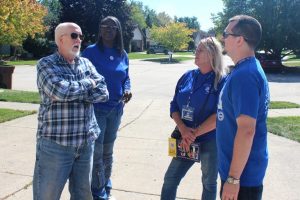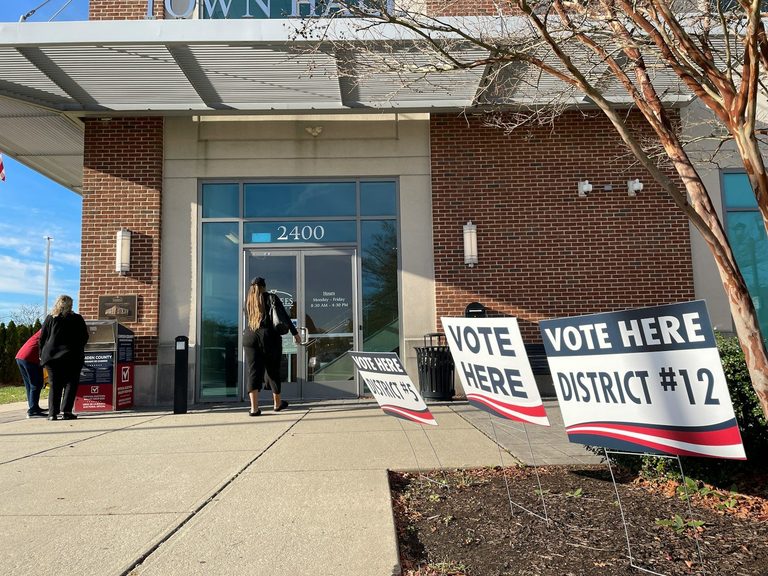
LANSING, Michigan – With the Nov. 3, 2026 general election less than a month away, local civic organizations and election officials gathered at Michigan State University to show residents how ballots are cast, counted and verified. The nonpartisan event, co‑hosted by Michiganders for Civic Resilience and MSU Vote, brought together students, community members and county clerks from Ingham, Kent and other counties.
Building trust through transparency
Republican co‑lead Tonya Schuitmaker explained that the goal was to give students a clear picture of the election system and to reinforce confidence in its security and transparency. She noted that a common misconception she hears from voters of all ages is that elections are rigged. “That couldn’t be further from the truth,” Schuitmaker said, urging voters to trust that ballots are counted accurately and elections are conducted properly.
County clerks echoed that sentiment, emphasizing that election administrators follow Michigan law, the state Constitution and all applicable guidance, regardless of political affiliation. Ingham County Clerk Barb Byrum, a Democrat, said, “Whether we are Democrat, Republican, or even the non‑partisan appointed clerks, we follow the law, we follow the Constitution, we follow the statutes, and we follow all of the guidance.” Kent County Clerk Lisa Posthumus Lyons, a Republican, also addressed the audience, underscoring the bipartisan nature of the process.
Engaging younger voters
Democratic co‑lead Rebekah Warren highlighted the importance of reaching younger voters early. She pointed to increased participation among young Michiganders in recent primaries and argued that establishing voting habits early leads to lifelong civic engagement. “There’s a lot of research that shows that earlier in life we become voters, we stay more engaged for a lifetime,” Warren said.
MSU senior John Fahey added a personal perspective, noting that voting gives people a way to make their opinions heard. “It’s important to do it just so you can voice your opinion,” he said. “If you want to voice your opinion, you’ve got to do it.”
Key election deadlines and resources
The Michigan Secretary of State’s office is urging voters to make a plan well before Election Day. Voter registration online or by mail must be completed by Oct. 19. Starting Oct. 20, new registrants must appear in person at a local clerk’s office or satellite location with proof of residency, and registration remains open through Election Day.
Early voting runs from Oct. 24 through Nov. 1, and the state provides extensive information on registration, early voting, absentee voting, drop boxes and Election‑Day voting through its voter information resources. As of Oct. 6, more than 201,000 voters had already returned ballots by mail, secure drop box or at a clerk’s office—about 30 % more than at the same point in the 2022 general election.
Why the event matters
Organizers say that understanding the mechanics of voting is a crucial step toward higher participation, especially among younger residents. By hearing directly from the officials who administer elections, voters can dispel myths, verify their registration status and learn the options available to them. The message from election officials is straightforward: check your registration, understand your voting options and make a plan to cast your ballot before Nov. 3.
As Michigan heads into its next statewide election, the bipartisan effort to educate voters reflects a shared commitment to a transparent, secure electoral process—an essential foundation for a thriving democracy.
Original reporting: WOWO News/Talk (Fort Wayne) — read the source article.