Miami Twp. is moving toward a decision that could affect every driver in the township: the Board of Trustees will hold two public hearings before voting on a proposed $5 additional township motor vehicle license tax aimed at raising money for roadway work. The hearings will give residents a chance to ask questions, weigh the trade-offs, and press trustees on how the money would be spent. This article walks through what the proposal means, how the process works, and what to watch for as the township moves toward a vote.
The immediate focus is straightforward: Miami Twp. will hold two public hearings prior to the Board of Trustees voting on a possible $5 additional township motor vehicle license tax to provide additional revenue for roadway improvements. Trustees typically open the floor to public testimony at these sessions and then consider that feedback before casting a vote. That public conversation can influence details like when the tax would start and how the funds are allocated.
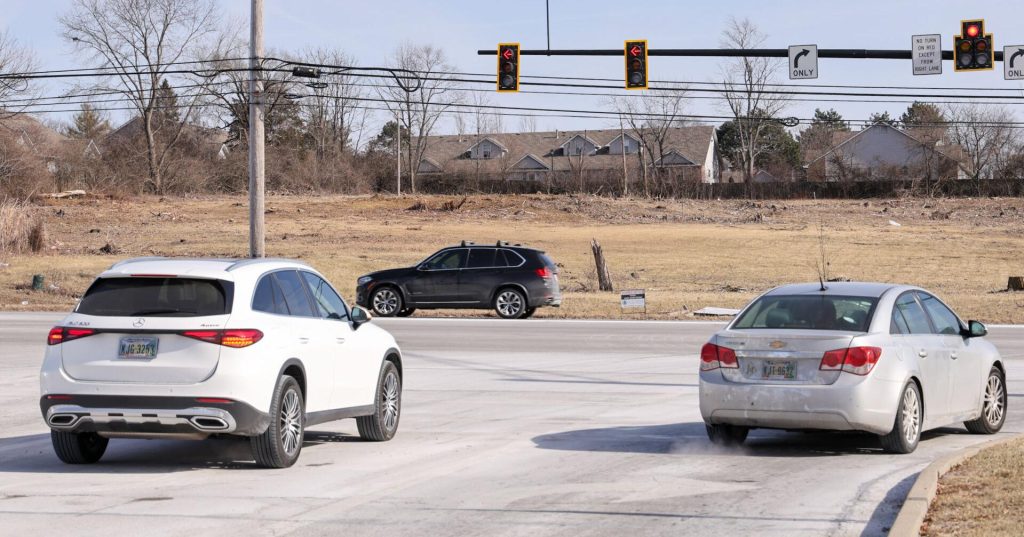
At a glance, $5 sounds small, but it adds up fast when applied across the township’s vehicle registrations. Officials say the extra revenue is intended for road maintenance projects, including resurfacing, pothole repairs, and safety upgrades at intersections. For many townships, steady, modest revenue streams are crucial because one-off grants or transfers rarely cover ongoing maintenance needs.
For residents, the most immediate question is impact. A $5 increase on a motor vehicle license bill is minimal for individual households, yet it can fund routine patching and preserve pavement before tiny problems become costly repairs. The trade-off is simple: a small, regular charge now versus potentially larger, irregular bills later when roads deteriorate and require major rehab.
Public hearings are the place to be if you want your voice heard. Show up prepared with specific concerns: ask for a breakdown of expected annual revenue, which roads are on the priority list, and how projects will be bid and overseen. Trustees respond to clear, focused input much more effectively than to vague complaints, so bring numbers, locations, and questions.
Transparency matters. Residents should press trustees for a project list tied to the tax revenue and a timeline for repairs. Request details on whether funds will be held in a dedicated account, how the township will report progress, and what benchmarks will trigger further spending decisions. Those answers turn an abstract tax into a concrete plan the community can monitor.
There are other ways to raise money for roads besides adding a license fee, and trustees should explain why the $5 option is preferable. Grants from state programs, one-time bond issues, public-private partnerships, or reassigning existing budget items are all plausible alternatives. Each option carries different risks and timelines, so the hearing is also a moment to compare choices, not simply rubber-stamp a single path.
Looking around, townships that invest predictably in maintenance tend to preserve pavement and save taxpayer dollars long term. Consistent funding allows planners to schedule preventive work before surfaces fail. Trustees should be asked to show examples or models that estimate how much pavement life would be extended with the extra revenue and the cost avoided by preventing major reconstruction.
Timing and next steps are procedural but important. The two hearings will be scheduled publicly; after that, trustees can vote to adopt or reject the proposed tax. If approved, the township will need to shift the funds into action—contracting for work, scheduling crews, and keeping residents informed on where and when repairs will happen. Implementation is where good intentions meet practical constraints like weather and contractor availability.
Finding reliable updates is simple: the township office and its official website should post hearing dates, agenda packets, and follow-up minutes. Attend a meeting if you can, and if you can’t, send a concise email or letter with your questions and priorities. That input becomes part of the public record and helps trustees understand neighborhood-level impacts.
This decision is a local one with clear stakes for drivers and taxpayers in Miami Twp. The hearings will be a test of how the township balances fiscal prudence, transparency, and the simple need for safer, smoother roads. Residents who care about how their neighborhood looks and drives should make time to listen, ask hard questions, and hold officials to a practical plan for spending the money.