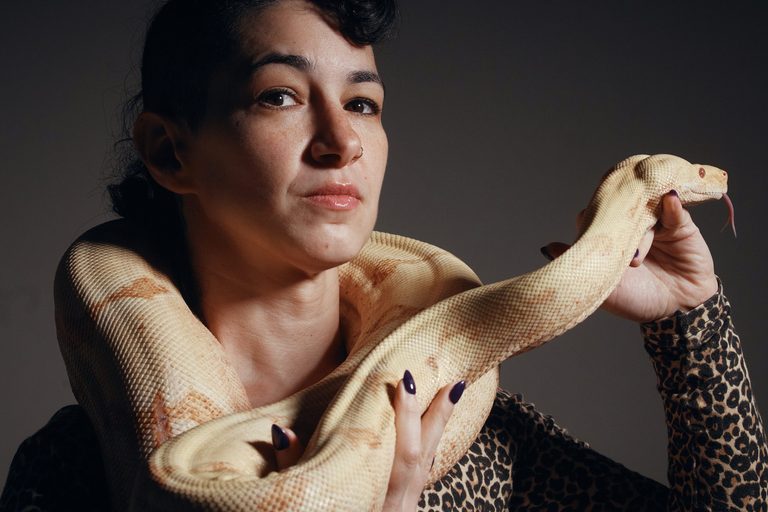
New York – The Metropolitan Opera announced that a large yellow‑peach boa constrictor named Princess will appear in its upcoming production of Mozart’s Così fan tutte. The opera, re‑imagined with a 1950s Coney Island carnival backdrop, required a snake that could command the stage, and the role fell to Princess after a careful audition overseen by performer‑turned‑opera‑actor Zoe Ziegfeld.
Audition process
Ziegfeld, who also serves as the production’s snake handler, evaluated each reptile by allowing it to slither, wrap around, and be lifted overhead. “I need to know that the animal is comfortable with people and with what we are doing,” Ziegfeld explained. The chosen boa, described as a “big sun‑glow boa,” impressed the team with its size and visual presence.
Understudy and other snakes
A smaller brown boa named Nala will serve as Princess’s understudy, ensuring the production can continue smoothly if needed. Both snakes were provided by animal‑handler Nancy Novograd of All Tame Animals, a company that supplies a range of creatures to the Met, from insects to elephants.
Background on the production
The Met’s adaptation keeps Mozart’s original plot—two soldiers testing their lovers’ fidelity—but transports the story to a vibrant carnival setting. Ziegfeld, who has performed snake‑charming shows on Coney Island for several seasons, is in his third year playing the snake‑charmer role for the opera.
From carnival to the opera house
When live snakes were not permitted at earlier auditions, Ziegfeld submitted video of his act and demonstrated his carnival credentials by performing a “Human Blockhead” stunt, driving a nail into his nasal cavity. He says the experience of entertaining with snakes at the Met feels much like his Coney Island shows, offering both awe and terror to audiences.
Novograd emphasized that, like human performers, animals must demonstrate the right behavior and temperament. “They have to be the right color, size, and Zoe has to like them,” she said.
Original reporting: Alexandria, VA News – WTOP News — read the source article.