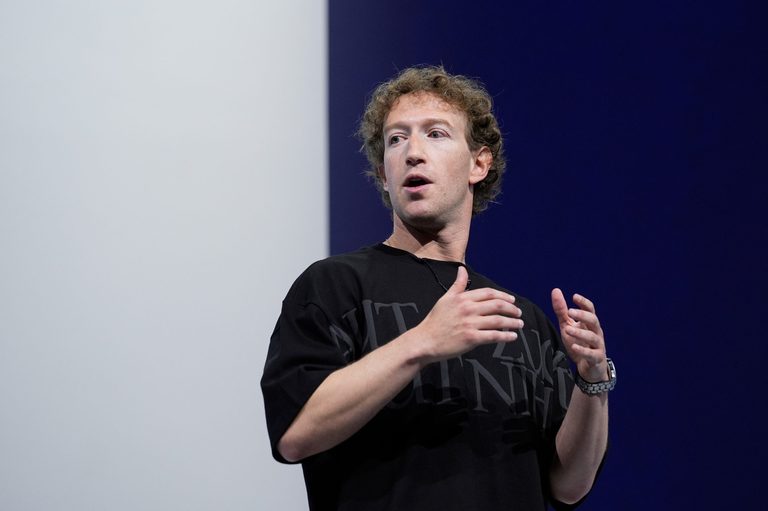
In a post on X, Meta chief executive Mark Zuckerberg emphasized that the responsibility for safe artificial intelligence rests with each individual company. He pushed back against recent proposals from rival firms urging a coordinated slowdown in the development of advanced AI models.
Industry calls for a pause
Earlier this week, Anthropic CEO Dario Amodei outlined a three‑step plan to improve AI safety, which quickly garnered support from notable tech leaders, including OpenAI’s Sam Altman and Elon Musk of SpaceXAI. The plan called for companies and governments to work together to temper the pace of AI advancement.
Zuckerberg’s response
Zuckerberg, who did not name Anthropic or any other firm, wrote that “every lab has the responsibility and incentive to move at the pace required to train its models safely, and the ability to take its own actions to ensure that happens.” He added that Meta has already delayed the release of its Muse AI agent for several months to ensure safety and security, underscoring the company’s commitment to cautious development.
“We didn’t call for everyone else to do this before we would,” he said, indicating that Meta’s internal safeguards are not contingent on a universal industry moratorium.
Focus on safe compute, not race to self‑improvement
Zuckerberg urged AI firms to prioritize building safe models rather than pursuing systems capable of recursive self‑improvement—a process where an AI can autonomously enhance its own capabilities. “Committing the significant majority of compute towards serving people rather than racing towards recursive self‑improvement is one of the best ways to ensure we develop this technology safely,” he wrote.
He argued that companies already face “significant liability” if their technologies cause harm, providing a strong incentive to act responsibly without needing a coordinated government‑mandated slowdown.
Broader debate on AI risks
Researchers have warned that unchecked AI development could pose existential threats to humanity, sparking a heated debate among industry leaders about the best path forward. While some advocate for a collective pause to assess risks, others, like Zuckerberg, believe market forces and legal accountability will drive safe practices.
The conversation reflects a larger tension between innovation and precaution in a rapidly evolving field. As AI systems become more powerful, the balance between competitive advantage and public safety will likely remain a central point of discussion among tech executives, policymakers, and the public.
Original reporting: Alexandria, VA News – WTOP News — read the source article.