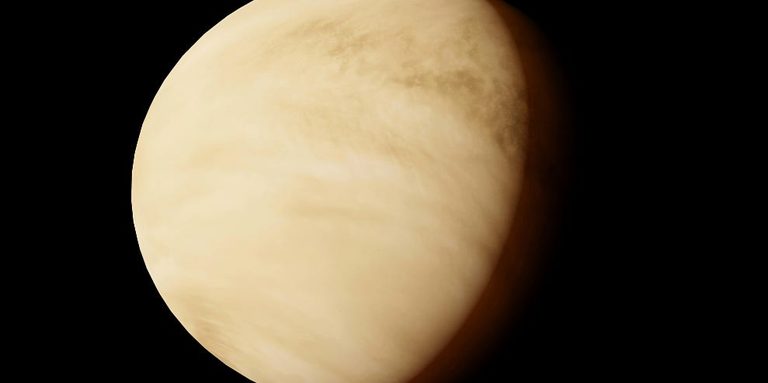
NASA has announced that the planet Venus will become the brightest object in the night sky this week, reaching its peak brilliance on Friday, September 18. The “morning star” will sit low above the western horizon shortly after sunset, offering a striking view for anyone who steps outside.
When and Where to Look
Look for Venus about 30 to 60 minutes after sunset on September 18. The planet will appear as a steady, white light with a reported magnitude of -4.8, making it brighter than virtually every star in the sky.
Viewing Tips
- Find a dark‑sky location: Light pollution can wash out the view, so head to a park, field, or any spot away from city lights.
- Give your eyes time to adjust: Avoid bright phone screens and let your eyes adapt to the darkness for at least 20 minutes.
- Use binoculars or a small telescope: While Venus is visible to the naked eye, a pair of binoculars or a modest telescope will enhance the detail and make the planet’s brilliance even more impressive.
What Makes This Event Special
Unlike a solar eclipse, no special glasses are required to view Venus safely. The planet’s position this week places it lower than usual, giving observers a clear, unobstructed view near the horizon. This makes it one of the easiest celestial displays to enjoy with the naked eye during the fall season.
Additional Resources
For more detailed guidance on stargazing equipment, consider a travel telescope with a 70 mm aperture or high‑quality binoculars, both of which can provide clearer views of Venus and other night‑sky objects.
Original reporting: Las Cruces Sun News (HLL/CB) — read the source article.