Los Angeles – At a Wednesday morning news conference downtown, Mayor Karen Bass announced that the ongoing expansion of the Los Angeles Convention Center is expected to draw roughly 186,000 visitors and generate more than $400 million for the local economy. The mayor framed the project as a catalyst for downtown revitalization and a source of good‑paying jobs for Angelenos.
Project scope and financing
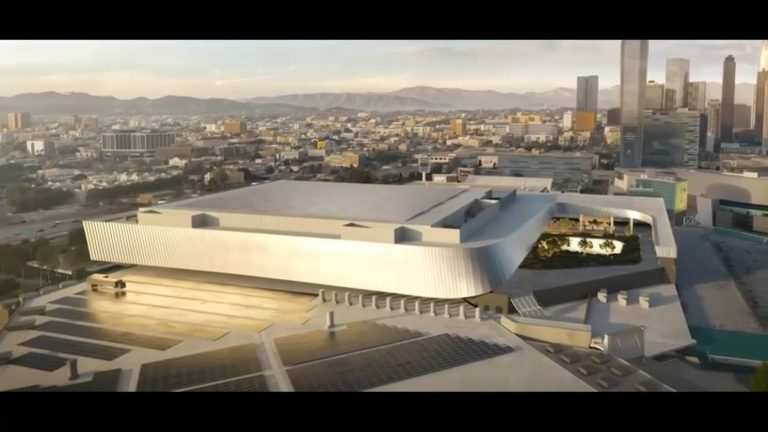
The expansion, approved by the City Council in 2025, will add 190,000 square feet of exhibit hall space, nearly 40,000 square feet of meeting rooms, and a 95,000‑square‑foot multi‑service area. Construction is proceeding in phases to align with the 2028 Olympic Games, pausing for the event and then resuming to target completion by 2029.
Financially, the plan calls for $2.68 billion in borrowing and $5.39 billion in total debt service. City officials noted that since construction began a year ago, 18 major conferences have already selected Los Angeles for their annual events.
Critics raise concerns over long‑term costs
City Councilmember and mayoral candidate Nithya Raman, who voted against the project alongside Councilmember Katy Yaroslavsky, warned that the financing structure could cost the city’s General Fund about $100 million each year for decades. Raman described the expansion as a “refurbishment boondoggle,” arguing that the $5.9 billion plan would divert resources from essential services such as street maintenance, lighting, sanitation, police staffing, and animal shelters.
“Refurbishing the Convention Center is important — but no responsible mayor would pursue this through a financing plan that drains essential services for decades,” Raman said in a statement. She added that the projected cuts could lead to “more broken streets, dark streetlights and slower 9‑1‑1 response times across every neighborhood in our city.”
Mayor Bass’s response
Mayor Bass countered that the expansion will strengthen the city’s fiscal health by attracting visitors and conventions that spend money locally, thereby supporting businesses and creating employment opportunities. She emphasized that the project is timed to coincide with the upcoming Olympics, positioning Los Angeles as a world‑class destination for large‑scale events.
“This investment will revitalize downtown, boost our economy, and provide good‑paying jobs for residents,” Bass said. She also noted that the city has a track record of managing large infrastructure projects and that the anticipated visitor influx will help offset the financing costs over time.
Political backdrop
The expansion has become a focal point in the upcoming mayoral race. Bass is seeking a second term in the November 3 election, while Raman, a councilmember and mayoral challenger, is using the project to highlight concerns about fiscal responsibility and service delivery.
Both candidates agree that Los Angeles faces challenges in maintaining basic city services, but they differ sharply on how to balance those needs with large‑scale development projects.
What’s next?
The City Council will continue to monitor the project’s budget impact as construction progresses. Officials say they will provide regular updates on spending, job creation, and visitor numbers, especially as the 2028 Olympics approach.
Residents who wish to voice opinions on the expansion are encouraged to attend upcoming council meetings or submit comments through the city’s official website.
Original reporting: NBC4 Los Angeles — read the source article.