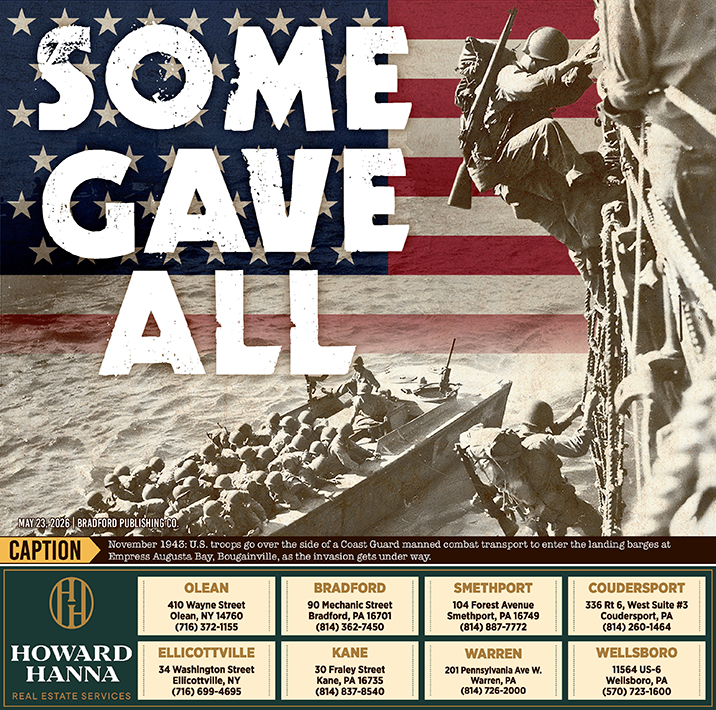
On May 23, 2026 the nation paused to remember those who paid the ultimate price for our liberties, and communities from small towns to big cities held moments of quiet, flags at half-staff, and ceremonies that didn’t try to be elaborate—just honest. “Some Gave All 2026” pulled together veterans groups, families, volunteers, and local leaders in a chain of respect that stretched across fields, schoolyards, and town squares. The tone was simple and resolute: remember, honor, and pass the story on. This piece walks through how communities marked the day and why that ritual matters.
Memorial rituals vary, but the core never changes: names spoken, flags folded, and the silence that follows a bugle note. In many towns veterans organizations did the heavy lifting, arranging processions and laying wreaths at monuments. Families brought photos and stories, and strangers stood shoulder to shoulder, which is the quiet power of public memory. That shared grief keeps history from becoming a distant line on a page.
The physical work behind the scenes is impressive and often overlooked, from volunteers ironing flags to cemetery crews marking plots for proper care. People who might otherwise never meet spend hours preparing grounds, setting chairs, and mapping out where honors will fall. That labor turns out to be an act of civic devotion as much as it is a logistical detail. It underlines how local effort sustains national remembrance.
Many ceremonies featured personal touches: a granddaughter reading a letter, a neighbor placing flowers, or a platoon of veterans in crisp uniforms marching past. Those moments cut through ceremony and reach straight to the human cost of conflict. They remind us that behind every casualty statistic is a family and a hometown. That connection is what fuels commitment to preserving these traditions.
Schools and youth groups are increasingly present at these events, and that matters for the long game of memory. When teenagers stand in silence, or a scout troop helps fold a flag, the act becomes part of civic learning. It isn’t an abstract history lesson; it’s an invitation to responsibility. Passing this forward is how a community keeps the past honest and necessary.
There were no grand pronouncements needed—what resonated were small, precise acts of honor like the careful folding of a flag or the placement of a single bouquet. Local leaders gave short remarks that focused on gratitude and the duty to remember rather than political points. That restraint allowed the day to feel unified instead of divided, which is rare and worth noting. People came for the dead and stayed because they felt part of something steady and real.
Practical steps also appeared in many programs: registries of names were updated, graves received fresh markers, and lists were compiled to ensure no service member was forgotten. Volunteers used clipboards and spreadsheets, but the effect was humane and immediate. Those administrative moves are unspectacular, yet they safeguard dignity for decades. Memory needs management as much as it needs reverence.
Vigils and online tributes extended the reach, letting distant relatives join local rituals through shared photos and brief recordings. Technology isn’t a replacement for being there, but it amplifies recognition and helps reconnect families separated by distance. For many, seeing a flag raised in a hometown cemetery on a screen is the closest thing to being present. That hybrid honoring will likely stick around.
Across town squares and quiet cemeteries the message was the same: some gave all, and we give attention in return. Those attending left with a clearer sense of obligation to remember and to act in ways that keep communities connected. The rituals were simple, the stories close, and the resolve quiet but firm, showing that remembrance remains one of the strongest civic threads we have.