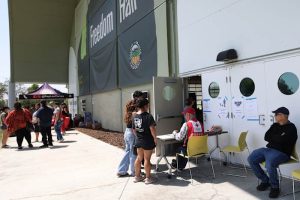
Purple Heart Elementary School gathered students, staff and community on May 2, 2026, for a pledge ceremony that mixed respect, education and local pride. The event offered a moment to teach civic habits and honor service in a tidy, meaningful way inside the school walls. This article walks through what happened at the pledge, who showed up, and why moments like this matter for young kids and their neighborhoods.
Families streamed into the school gym where the air hummed with quiet excitement and the flutter of handmade posters. Teachers organized students by class, and a simple program moved deliberately from announcements to the pledge recitation. The tone was upbeat and clear: a short, well-practiced ritual meant to anchor the day and give youngsters a shared point of focus.
PURPLE HEART ELEMENTARY SCHOOL 5/2/26 PLEDGE stood on the printed agenda, and the kids took to it with surprising seriousness. Staff leaders guided the pledge line by line while music played softly in the background, creating a ritual that felt both modern and timeless. Visitors noted how the repetition and ceremony helped even the youngest students stand a little straighter and listen more closely.
Several teachers used the moment to connect the pledge to classroom lessons about community and responsibility. Rather than lecturing, they asked quick questions afterward, drawing out answers about respect, fairness and helping others. Those short interactions turned a rote exercise into a learning opportunity that stuck with students through the rest of the day.
Parents and guardians who stayed for the ceremony commented on the sense of togetherness it created, especially for new families. It wasn’t a long event, but it offered a snapshot of school culture and values that people could take home. For many, seeing dozens of children recite the pledge at once felt like a small civic rehearsal for the future.
School leaders made a point of keeping the program inclusive and age-appropriate so every student could participate comfortably. They adjusted the pace for kindergartners and gave older students chances to lead, which balanced accessibility with responsibility. That mix helped the pledge feel less like a performance and more like a shared moment of respect.
Veterans and community volunteers were present as honored guests, and their short remarks grounded the ceremony in local reality. They spoke about service and commitment without heavy-handed language, and kids listened with visible interest. Those personal touches helped connect abstract words to real people who had stepped up for their neighbors.
The school also wove in a practical element: reminders about school rules tied to the values mentioned in the pledge. Staff reinforced expectations for kindness and safety, linking the pledge to daily habits like sharing, using kind words, and following directions. The result was a compact blueprint for behavior that felt both moral and manageable for elementary students.
Teachers and administrators say these gatherings build routines that support learning and classroom management, and parents often report fewer disruptions when students share clear expectations. The pledge becomes a shorthand that teachers can reference throughout the day to reset energy or refocus attention. That kind of predictable structure matters more than it sometimes gets credit for.
Observers noted that children responded best when adults kept the energy positive and avoided lecturing tones. Short cheers, applause for leaders, and light musical cues helped maintain engagement without turning the ceremony into entertainment. It’s a small operational detail, but the right atmosphere keeps a routine respectful and meaningful rather than rote.
Photographs taken after the ceremony showed smiling faces and small clusters of conversation as students headed back to classes. Those images captured the immediate aftermath: kids ready to learn, teachers ready to teach, and a community that had just spent a few moments reinforcing shared ideals. It was brief, but the pledge seemed to do exactly what it was meant to do—anchor a school day in a few clear values.
Looking ahead, school staff plan to continue these regular moments of reflection and to keep refining them based on what works for students. The goal is simple: keep routines consistent, make expectations clear, and use short rituals to build stronger classroom communities. If a few minutes here and there make school days run smoother and teach kids the basics of civic life, most school leaders agree that’s time well spent.