
When the waters of the Merrimack River turned brown with a massive sewage overflow in early July, the soft‑shell clam industry of northeastern Massachusetts ground to a halt. The spill, which forced the closure of beaches and halted shellfish harvesting near Haverhill, left dozens of clam diggers without income during a critical season.
State relief package announced
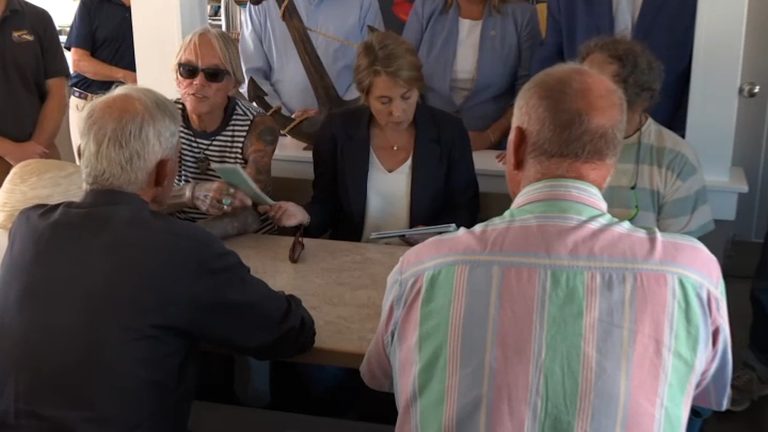
Governor Maura Healey visited the North Shore on Monday and unveiled a state‑funded relief program totaling $300,000. The money will be distributed as checks of up to $6,700 to 130 registered shellfish harvesters who can document losses from the incident. “We want the state to play a role and make investments, and I support that,” Healey said, adding that the broader funding challenge remains a federal issue.
Political context and criticism
Healey’s Republican opponent for governor, Mike Minogue, seized on the timing of the payouts, arguing that handing out checks right before the November election appears self‑serving. “If you start handing out checks right before the election, it seems a little bit self‑serving,” Minogue said. He pledged to pursue additional federal assistance, noting that a third of the state budget already relies on federal dollars.
Senate Minority Leader Bruce Tarr, who chairs the Ipswich Shellfish Sustainability Task Force, praised the relief as “much needed and deserved,” calling the Merrimack River incident an “economic disaster” for the soft‑shell clam sector.
Industry leaders call for long‑term solutions
John Grundstrom, a veteran clam digger, expressed gratitude for the immediate aid but warned that without fixing the underlying infrastructure, temporary checks will not solve the problem. “It’s a man‑made problem that we can’t control. I’d rather have the problem fixed. The money is great, but if you don’t fix the problem … you just can’t keep giving people money,” he said.
Healey’s administration has indicated it will continue to seek federal funding while also supporting local municipalities in upgrading wastewater treatment plants. “As a state, we will continue to find ways to support our local cities and towns, shoring up treatment plants, wastewater,” the governor said.
What’s next for the shellfish community?
The relief checks provide short‑term breathing room for harvesters, but many in the industry hope the state will push for stronger infrastructure investments to prevent future spills. The incident has sparked a broader conversation about water quality, federal‑state coordination, and the economic resilience of Massachusetts’ historic shellfish sector.
As the election approaches, both parties will likely reference the spill response in their campaigns, framing it as either a demonstration of proactive leadership or an example of political timing. For now, the clam diggers of the Merrimack River can focus on rebuilding their livelihoods with the aid that has just arrived.
Original reporting: NBC10 Boston — read the source article.