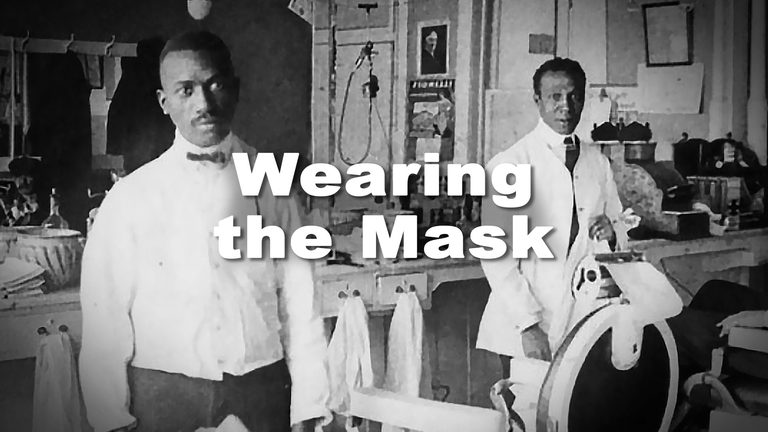
When the Reconstruction era gave way to the deeply segregated South of the late 1800s, a surprising avenue to economic freedom opened for Black men in Atlanta: the barber shop. In a time when most occupations were barred to them, skilled barbers found a niche that allowed them to serve the city’s most affluent white citizens while quietly building their own fortunes.
Barbering as a Bridge Between Communities
The trade required more than a steady hand with a razor. Successful barbers had to master the delicate art of navigating a relationship with powerful white patrons who, despite the era’s prevailing racial attitudes, trusted Black barbers with their personal appearance and, by extension, their confidence. This trust created a rare economic corridor where Black entrepreneurs could earn a living, support their families, and even accumulate wealth.
Two Atlanta Barbers Who Turned Skill Into Success
Historical records highlight two remarkable men who exemplified this path. Both established shops in the heart of Atlanta’s bustling commercial districts, drawing a clientele that included city officials, businessmen, and social leaders. Their establishments became more than places for a haircut; they were informal gathering spots where news, ideas, and opportunities were exchanged.
Through diligent work, careful financial management, and a reputation for discretion, these barbers were able to purchase property, invest in other ventures, and provide for their families in ways many of their contemporaries could not. Their stories underscore how entrepreneurship, when paired with integrity and community focus, can break through even the most entrenched barriers.
A Mystery That Endures
One of the barbers left behind a lingering mystery that still intrigues historians. While records confirm his success and the respect he earned, details about his later life and the ultimate fate of his estate remain elusive. Researchers continue to sift through city directories, property deeds, and newspaper archives, hoping to piece together the full picture of his legacy.
What is clear, however, is that his story—and that of his fellow barber—serves as a testament to the resilience and ambition of Black Atlantans who, despite systemic oppression, found ways to thrive. Their achievements reflect the core values of hard work, family responsibility, and faith that continue to guide our community today.
Why This History Matters
Understanding this chapter of Atlanta’s past offers modern readers a richer perspective on the city’s economic development. It reminds us that the foundations of today’s thriving neighborhoods were built, in part, by individuals who leveraged their talents and moral character to create opportunities for future generations.
As we celebrate the city’s growth, we also honor the quiet pioneers whose stories might otherwise be forgotten. Their legacy encourages current entrepreneurs, especially within the Black community, to pursue excellence, uphold family values, and trust in the providence that guides diligent effort.
Original reporting: SaportaReport — read the source article.