Massachusetts Governor Maura Healey is asking the state legislature for $2 million to broaden the Welcome Family program, a taxpayer‑funded initiative that sends nurses into the homes of families with newborns. The expansion would increase the number of visits from the current 3,000 births a year to roughly 68,000 births statewide, effectively providing a home health assessment for every infant born in the Commonwealth.
Program details and recent results
The Welcome Family program is described by the state as a voluntary service. Nurses assess the health of parents, caregivers, and newborns, answer questions about infant care, screen for postpartum mental‑health concerns, and connect families with additional resources. In 2025 the program conducted 1,620 postpartum‑depression screenings, identifying 208 positive cases, each of which received a referral for further services.
Critics raise privacy and consent concerns
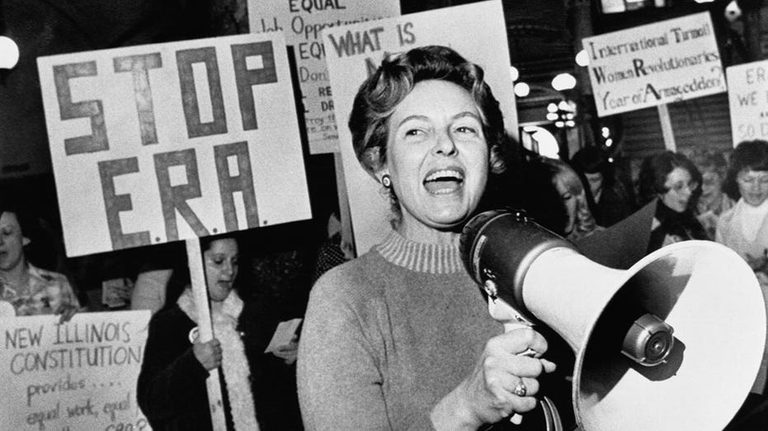
Conservative activist Anne Schlafly, chairman of the Eagle Forum and daughter of legendary conservative Phyllis Schlafly, warned that the expansion could turn government nurses into “Big Sister” agents inside family homes. Schlafly cited her mother’s 1999 column, which warned against government intrusion into parenting, and asked, “Is it really voluntary if you don’t have true informed consent? After labor and sedation, can a new mother truly understand what she is signing up for?”
Schlafly argued that any program that becomes compulsory crosses a line, and she urged that parents retain the ability to opt out at any time. She also noted that the state’s materials list “ensuring that your home is safe” among the topics nurses may discuss, a phrase that could be interpreted as an inspection of the household.
Governor Healey’s response
Healey defended the expansion, saying it would give every family a chance to receive early health assessments and additional support when needed. In an interview on Boston Public Radio she said, “Everybody in the state, when you have a baby, you’re going to have a home visit within days or weeks, and that will be an opportunity for a healthcare provider to make an assessment to see if you need some additional support and resources.”
Healey’s office did not provide a detailed explanation of how parents could decline a visit, nor did it clarify whether information gathered during the visits would be shared with other state agencies.
Balancing health benefits and parental rights
Supporters of the program point to the 2025 screening data as evidence that early detection of postpartum depression can lead to timely intervention, potentially saving lives and improving family stability. Critics, however, maintain that the government should not be the first point of contact for families in the privacy of their homes, especially when consent may be compromised by the circumstances of childbirth.
While the program is officially voluntary, the scale of the proposed expansion—hiring many more nurses and using additional taxpayer dollars—raises questions about how “voluntary” will be enforced in practice. Schlafly summed up the concern: “If government is going to expand their reach and hire a whole bunch of more people and use taxpayer money to send out all these agents to the families, that’s quite an expansion. It smacks of Big Sister and Big Brother both.”
What’s next?
The request now moves to the Massachusetts legislature, where lawmakers will weigh the public‑health benefits against the potential erosion of family privacy. The debate is likely to continue as the state seeks to address postpartum mental‑health needs while respecting the constitutional principle that the home is a private sanctuary.
Original reporting: Fox News (HLL/CB) — read the source article.