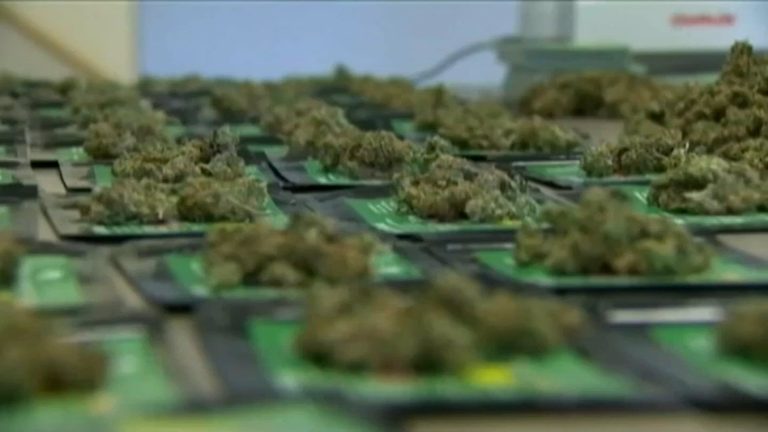
Ten years after Massachusetts voters approved adult‑use marijuana, the state’s cannabis market has crossed the $10 billion milestone in gross sales, according to the Cannabis Control Commission (CCC). The figure reflects a rapidly growing industry that now employs nearly 15,000 people and contributes billions in tax revenue to the Commonwealth.
Economic impact and tax revenue
CCC Executive Director Travis Ahern noted that the market reliably generates more than $1.5 billion in gross sales each year. Since 2016, the industry has produced roughly $2 billion in state and local taxes, including $43 million in local option taxes for fiscal year 2026. These funds flow to the General Fund, the MBTA, the Massachusetts Small Business Association, the Cannabis Social Equity Trust Fund, and municipalities that host social‑equity licensees. A large portion of the excise tax also supports the Marijuana Regulation Fund, which finances public‑safety and addiction‑service programs.
Job creation and community benefits
Commissioner Anthony Wilson emphasized that the market is “creating jobs, providing revenue to the state, and feeding families,” while noting that the industry has not produced the “negative, scary social impacts” some opponents feared a decade ago. Today, 300 of the state’s 351 municipalities host a physical retailer or allow cannabis delivery, expanding both physical and financial accessibility for consumers.
Market maturity and pricing trends
Prices for flower have fallen dramatically, reaching a record low of $3.89 per gram in April and $3.83 in July, prompting the CCC to temporarily freeze new cultivation licenses to help businesses cope with oversupply. Wilson described the market as “maturing,” though he cautioned that it is too early to declare oversaturation.
Ballot question on repeal
Voters will decide in November whether to repeal the legalization of non‑medical marijuana. The Coalition for a Healthy Massachusetts, which backs the repeal, argues that legalization has spurred public‑health concerns, higher rates of impaired driving, and risks for children, teens, and pets. A recent UMass/WCVB poll of 800 registered voters showed 55% opposed the repeal and 33% supported it.
Commissioner’s stance
Wilson said the ballot question “doesn’t really come up at all in the building,” indicating that regulators remain focused on overseeing the existing market. He added that a repeal would “100% affect the work that we do,” but expressed confidence that the industry’s contributions to families and the state economy will continue to shape public opinion.
Looking ahead
As the CCC prepares new license types and public‑consumption regulations, Commissioner Wilson and Chairman Chris Harding view the $10 billion milestone as a sign of the industry’s integral role in Massachusetts’ economy. The commission plans to keep the market safe and equitable while navigating the upcoming ballot decision.
Original reporting: NBC10 Boston — read the source article.