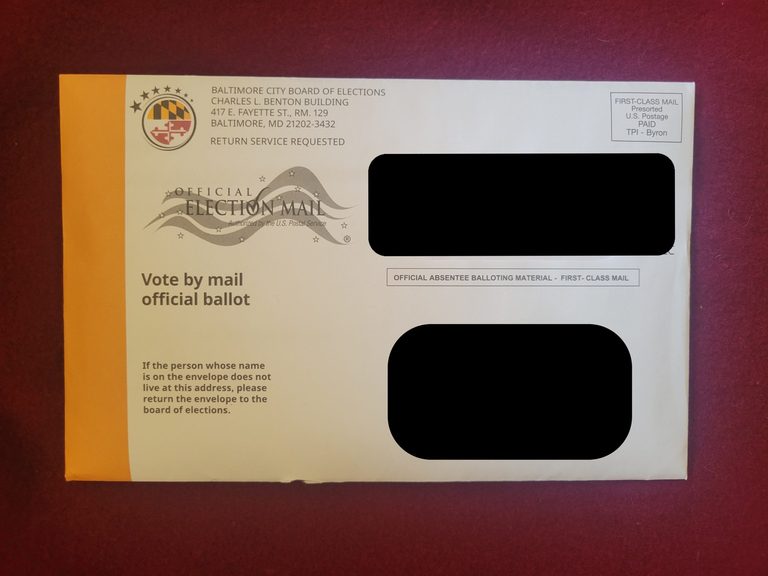
The Maryland Supreme Court issued a decisive ruling on Sept. 3, allowing Question 3 – a proposed constitutional amendment – to be placed on the November midterm ballot. The amendment would remove the state‑constitution requirement that congressional districts respect “natural boundaries and … political subdivisions,” effectively loosening redistricting constraints.
Background and legal battle
Earlier this year, Governor Wes Moore backed efforts to redraw Maryland’s congressional map, but a clause in the state constitution barred lawmakers from drawing districts that cross natural features such as the Chesapeake Bay. Multiple lawsuits from Republican officials challenged the amendment, and lower courts blocked it, citing misleading wording and due‑process concerns.
After a special session in August and a series of appeals, the Maryland Supreme Court approved a revised version of the question, ordering that the purpose paragraph of the redistricting bill be used as a substitute for the original language. The decision came just before the deadline for finalizing midterm ballots.
What the amendment would do
Question 3 does not affect the 2026 midterm elections themselves, but it would allow the state to adopt a new congressional map for future elections. Democrats have drafted a map that would split the historically red Eastern Shore – currently represented by Rep. Andy Harris, R‑Md., since 2011 – into two districts that extend into the densely populated, Democratic‑leaning central part of the state. The proposed 1st District would cover the lower half of the Eastern Shore and reach across the Chesapeake Bay Bridge into Anne Arundel and Howard counties.
Political reactions
Rep. Harris warned that the amendment could lead to “the most extreme gerrymandered map in the nation,” arguing it would disenfranchise Republican voters and erase rural representation. Maryland GOP chairwoman Nicole Beus Harris echoed those concerns, describing the potential new map as eliminating political opposition.
Democratic leaders, including Senate President Bill Ferguson, argue the amendment is a necessary response to recent Supreme Court decisions that have weakened the Voting Rights Act. Ferguson noted that Southern legislatures are using those rulings to dismantle minority districts, and Maryland must adapt to “the ground shifts under us.”
State Legislative Black Caucus chair Del. N. Scott Phillips defended the Democratic effort, saying it would empower Black voters while acknowledging the partisan nature of the proposal.
Implications for the upcoming election
If Maryland voters approve Question 3, the state could redraw its congressional map before the next election cycle, potentially flipping the sole Republican House seat held by Rep. Harris. The amendment’s passage would also set a precedent for other states grappling with redistricting constraints tied to natural boundaries.
Next steps
Maryland voters will see Question 3 on their November ballots alongside other midterm contests. The state’s election officials will provide sample ballots and voting information in the weeks leading up to Election Day. Both parties are expected to campaign vigorously, emphasizing how the amendment aligns with their visions for fair representation and effective governance.
Governor Moore called the Supreme Court’s decision a “massive victory” for Marylanders, while Democrats praised the ruling as a step toward a more equitable map. The outcome of the vote will shape Maryland’s congressional representation for years to come.
Original reporting: Baltimore Fishbowl — read the source article.