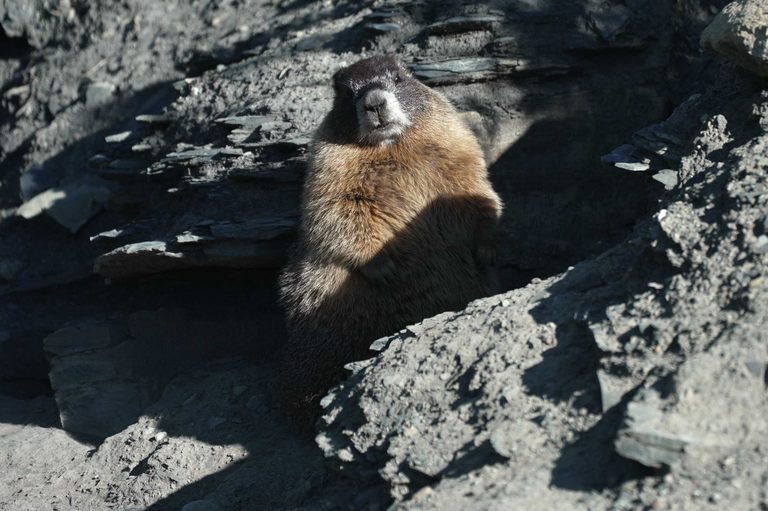
Gothic, Colorado – The Rocky Mountain Biological Laboratory (RMBL) celebrated a quirky yet meaningful milestone this week: the first‑ever Fat Marmot Week contest crowned Dawn, a male yellow‑bellied marmot, as the heavyweight champion. Dawn entered the competition at 8.5 pounds and finished at an impressive 13.2 pounds, a gain of nearly six kilograms, earning both the mass‑gain prize and the popular vote from online supporters.
Why a marmot contest matters
Inspired by the popular Fat Bear Week in Alaska, the marmot competition highlights the vital role of seasonal fat accumulation for hibernating mammals. As professor Julien Martin, co‑leader of the marmot project and an evolutionary ecologist at the University of Ottawa, explained, “Six kilos is really humongous for that species.” The extra body‑fat helps marmots survive the harsh winter months when food is scarce.
Beyond the fun of voting, the event serves a practical purpose: it draws public attention and donations to support long‑term research on North American mammals. RMBL’s marmot study, launched in 1962, is the world’s second longest‑running individually marked mammal project. Researchers use the data to track how climate variability, snow cover, and habitat changes affect marmot populations.
Funding challenges and a bright spot
Scientists have faced mounting financial pressure after the Trump administration froze or cut more than $3 billion in grants from the National Institutes of Health and the National Science Foundation. Those cuts threatened the continuity of many long‑term ecological studies, including the marmot project.
Fat Marmot Week proved a timely fundraiser. According to The Guardian, the week’s effort generated over $100,000 through subscription fees, private donations, and even a marmot‑themed cryptocurrency created by enthusiastic supporters. “It’s been an amazing week, and all of the competitors are winners in our hearts,” the organizers wrote on social media.
What the research tells us about climate change
Earlier this year, graduate student Emily Reneky of UCLA suggested that longer, warmer summers might benefit marmots. Subsequent observations, however, revealed a more nuanced picture: deep winter snow acts as an insulating blanket, improving survival rates. Years with reduced snow cover have seen higher marmot mortality, underscoring the complex ways climate change impacts wildlife.
Long‑term studies like RMBL’s are essential for understanding these shifts. As the project’s website notes, “One winter may bring deep snow, while the next has very little. Long‑term studies help scientists understand how animal populations respond to changing conditions.”
Looking ahead
Organizers announced that Fat Marmot Week will return in 2027, inviting the public to follow the next round of contenders. The contest not only entertains but also educates the community about the importance of wildlife conservation and the need for stable research funding.
For readers who enjoyed this story, the HyperLocal Loop encourages subscribing to the “News We Love” newsletter for more uplifting science and community updates.
Original reporting: 40/29 / KHBS (NW Arkansas) — read the source article.