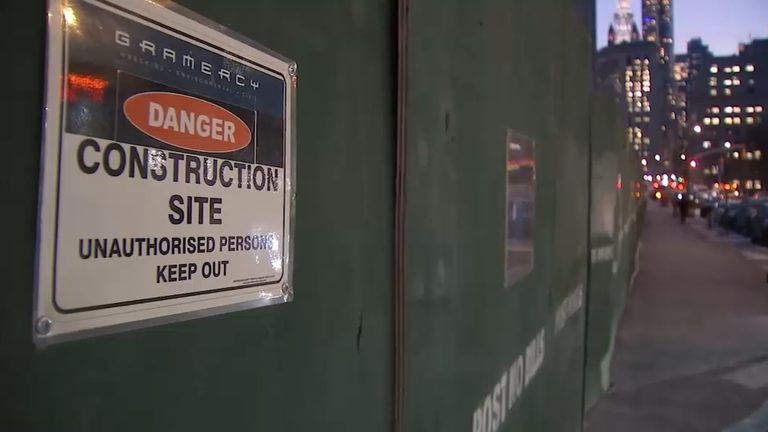
A Manhattan Supreme Court judge has issued a temporary restraining order that bars overnight construction at the new jail facility being built in Chinatown. The order, handed down on October 27, 2026, represents a significant setback for the city’s plan to replace Rikers Island with new detention centers across all four boroughs.
Community concerns drive the ruling
Neighborhood residents and advocacy groups had sued the city over special permits that allowed construction crews to work from 6 a.m. until midnight on weekdays. Plaintiffs argued that the extended hours caused excessive noise, disrupted sleep, and posed health risks to families living nearby.
“Today a New York County Supreme Court judge validated what Chinatown has been saying for a long time: the city’s plans for years of nighttime drilling and overnight construction are dangerous to the surrounding community,” said Vic Lee, founder and CEO of Welcome to Chinatown, a local business association.
Impact on the city’s jail timeline
The ruling delays the city’s broader timeline for building replacement jails. Officials have been working to transition inmates from the aging Rikers Island complex to newer facilities that meet modern standards for safety and rehabilitation. The Chinatown site is a key component of that strategy, and the temporary ban on overnight work could push back completion dates.
City officials have not yet commented on the judge’s decision. The case is scheduled to return to court on December 1, when both sides will present further arguments and possibly seek a more permanent resolution.
Legal background
The lawsuit centered on the city’s issuance of special permits that effectively extended construction hours well beyond typical daytime limits. Plaintiffs argued that the permits violated local noise ordinances and failed to consider the well‑being of residents. The judge’s order reflects a growing trend of courts scrutinizing municipal decisions that impact quality of life in densely populated neighborhoods.
What this means for local residents
For Chinatown families, the temporary halt offers immediate relief from the constant rumble of heavy equipment and the bright lights that have become a nightly fixture. Community leaders hope the decision will prompt the city to adopt more resident‑friendly construction schedules for future projects.
“We are grateful for the court’s recognition of our concerns,” Lee added. “Our community deserves to sleep peacefully and to have a safe, healthy environment for our children and elders.”
Next steps
Both the city and the plaintiffs will return to court on December 1 to argue whether the restraining order should be extended or modified. The outcome could set a precedent for how New York City manages construction in residential areas, especially for large‑scale public works that affect neighborhoods already facing challenges such as overcrowding and limited open space.
Stakeholders are watching closely, as the decision may influence other infrastructure projects across the city that rely on extended work hours to meet tight deadlines.
Original reporting: Brookhaven News – ABC7 New York — read the source article.