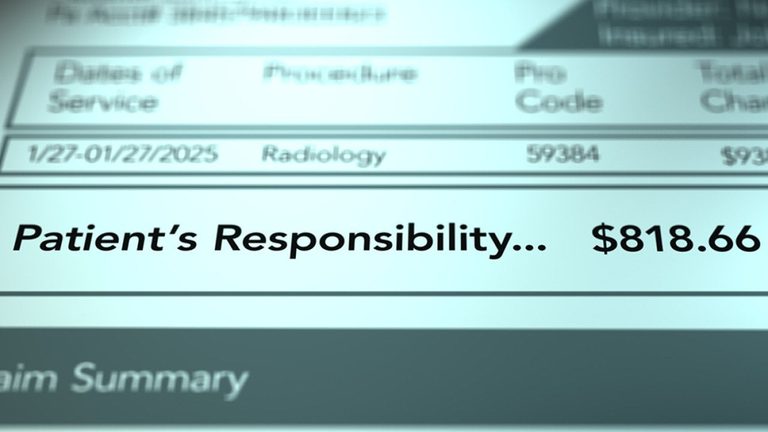
Medical debt is one of the most common forms of unsecured debt in the U.S. Unlike a mortgage or auto loan, it isn’t tied to an asset a lender can repossess. When a medical bill arrives, it’s essential to take a step back and assess the situation before making a payment.
Understanding Medical Debt
A bill becomes “debt” the moment it goes unpaid past its due date, and if it’s eventually turned over to a collection agency, it’s still treated as unsecured debt. To handle medical debt, start by opening and reviewing all documents related to the bill, even if they seem boring or confusing.
Take photos of each document and keep a record of any phone conversations, including the name of the person you spoke with and what they said. If you don’t have an emergency fund, consider starting one, even if it’s just a small amount set aside each payday.
Payment Plans and Relief Options
If you already have an emergency fund, use a portion of it to pay the bill, and then ask the provider about a payment plan. Don’t be afraid to negotiate – providers often reduce balances for people who ask. Be patient, honest, and persistent, and you may be able to get a better deal.
If medical debt has become part of a larger debt picture, alongside credit cards and personal loans, there are relief options available. Qualifying medical bills can often be included in a debt relief program, which can help you get back on track.
Original reporting: El Paso News (HLL/CB) — read the source article.