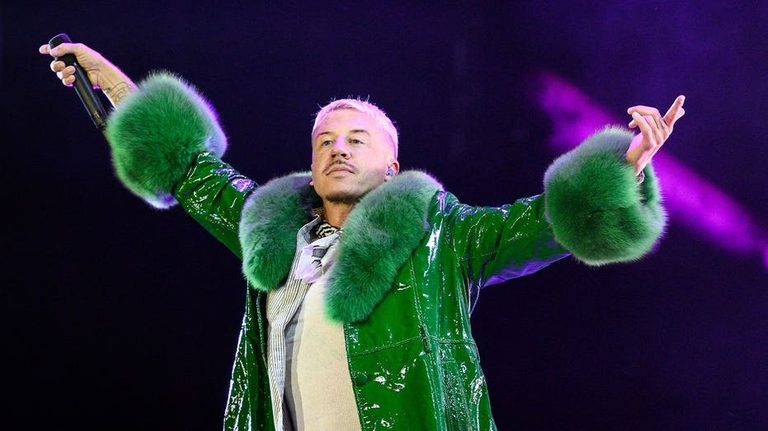
Seattle‑born rapper Macklemore, whose real name is Ben Haggerty, was removed from the remaining U.S. stops of Ed Sheeran’s Loop Tour following a series of controversies surrounding his outspoken support for Palestinian rights. The decision, announced by Sheeran’s team, was attributed to venue owners rather than the artist himself, but Macklemore alleges that stadium operators, allegedly coordinated by Patriots owner Robert Kraft, pressured Sheeran to cut him from the lineup.
Tour fallout and artist reactions
After Macklemore performed a pro‑Palestinian anthem titled “Hind’s Hall” and encouraged the audience to chant an anti‑U.S. slogan, four opening acts – Irish groups Aaron Rowe and Beoga, Denmark’s Lukas Graham, and Finneas – withdrew in solidarity with the rapper. Sheeran’s public statement described the situation as a promoter and venue decision, emphasizing his desire to keep concerts a “place of safety and sanctuary” for families and young fans.
Sheeran also expressed personal disappointment with the conflict, calling the Israel‑Palestine war a “human tragedy” and noting his intention to avoid turning his shows into political platforms. He said his audience expects entertainment, not political debate, and that he was “appalled” by the tension surrounding the issue.
Macklemore’s perspective
Macklemore defended his remarks, stating that his intent was to promote peace, love, equality and liberation for all people. He acknowledged that his comments had cost him endorsements, shows and business ties, but insisted his support for a free Palestine remained “unwavering.” In a social‑media post he wrote, “My intent always comes back to the pursuit of peace, love, equality and liberation for all. That isn’t radical, it’s human.”
He also claimed that Sheeran told him Kraft had rallied other stadium owners to oppose his presence, allegedly giving venues an ultimatum: keep Macklemore on the tour and lose the ability to book Sheeran’s future performances.
Earlier controversies
The current dispute adds to a pattern of public backlash against Macklemore. In 2014 he faced criticism for winning four Grammy Awards, including Best Rap Album, over Kendrick Lamar, who many fans felt was snubbed. Macklemore later sent Lamar a text saying he was “robbed” of the win, which he shared publicly.
He also drew criticism in 2015 for a costume worn at Seattle’s Museum of Pop Culture that some described as an anti‑Semitic caricature. Macklemore apologized, stating the outfit was meant to disguise himself, not to mock any culture.
Industry response
Following the tour controversy, Macklemore was removed from the inaugural Neon City Festival in Las Vegas. Organizers cited the need to maintain a neutral environment for festival attendees.
Industry observers note that the clash highlights the growing tension between artists who use their platforms for political advocacy and promoters who prioritize a “politically safe” atmosphere for diverse audiences. While some fans applaud Macklemore’s willingness to speak out, others argue that concert venues should remain free from divisive political statements.
What’s next?
Both parties have declined further comment. Macklemore’s representatives have not responded to requests for clarification, and Sheeran’s team maintains that the removal was a logistical decision beyond the artist’s control. The episode underscores the broader debate over free speech, artistic expression, and the responsibilities of entertainers in a polarized cultural climate.
Original reporting: Fox News (HLL/CB) — read the source article.