Beijing – A modestly animated feature titled “Niu Lai” (English: “The Bull Comes”) has risen from obscurity to become one of China’s biggest box‑office successes of the summer. Made on a shoestring budget that reportedly ran into only the low‑thousands of dollars, the film has grossed more than ¥27 million (about $4 million) and now sits just behind the Hollywood blockbuster Spider‑Man: Brand New Day in daily rankings.
From flop to phenomenon
During its opening week the movie earned just over ¥7,000, barely covering the cost of a modest theater rental. A wave of social‑media buzz on platforms such as Weibo, however, turned the tide. Viewers were drawn to the film’s quirky, pixelated animation, its simple storyline about a newborn calf, its mother, and a leopard cub, and the fact that it was created by an amateur animator working alongside his supportive mother.
At a packed screening in Beijing, audience members shouted, “I can’t believe the theatre is full!” prompting cheers and laughter. A popular Weibo movie blogger called the phenomenon an “inside joke for the young,” noting that even though many consider the film “junk,” they enjoy watching it together.
Why the youth are embracing it
Director Remo Zhu described the film’s appeal as a manifestation of a “don’t tell me what to do” mood among younger Chinese. In a crowded theater, the experience feels “genuinely interactive, immersive, and communal,” he said. The film’s slow dialogue, clunky action sequences, and heavily pixelated visuals have been both mocked and celebrated, with one reviewer writing, “It’s not even a movie – to call it bad is an insult to bad movies.”
Merchandise, memes and market ripple effects
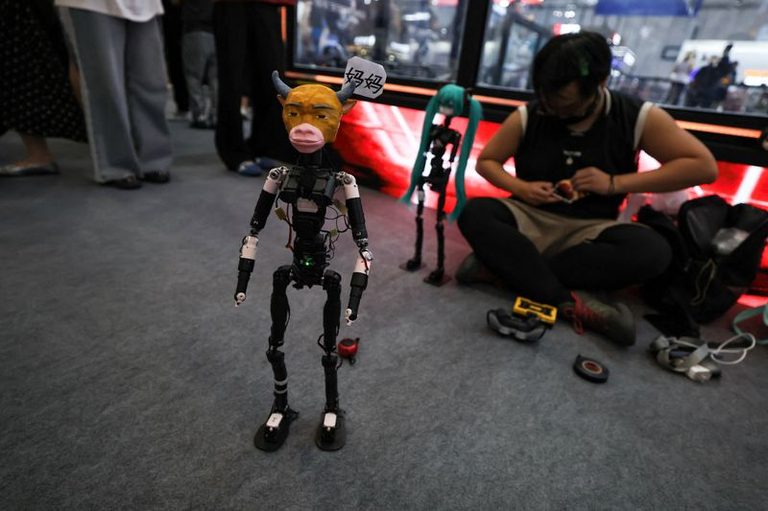
Following the viral surge, a flood of Niu Lai‑themed toys, masked robots, memes and cosplay outfits appeared online. Companies whose names include the word “bull” saw a brief uptick in share prices, prompting a warning from the People’s Bank of China against speculative “meme‑stock” investing. The central bank’s journal cautioned that “pinning one’s hopes on the word ‘bull’ is not rationality – it is wishful thinking.”
Can the success be replicated?
Shanghai‑based animation producer Liang Xia warned that such breakthroughs are “low‑probability events” driven more by a swell of public emotion than by the content itself. He said the film’s success is unlikely to be deliberately reproduced, noting that the market’s reaction was largely spontaneous.
What this means for the Chinese film industry
The Niu Lai story highlights a growing appetite among Chinese youth for content that feels authentic and unpolished, even when it lacks the high production values of major studios. While the film’s earnings are modest compared with Hollywood blockbusters, its cultural impact—spawning memes, merchandise and a national conversation—demonstrates the power of grassroots creativity in a market dominated by big‑budget productions.
As the Chinese central bank tightens its stance on speculative trading and industry insiders caution against expecting more low‑budget miracles, the Niu Lai phenomenon remains a unique case study of how a simple, home‑grown animation can capture the imagination of a generation.
Original reporting: Appleton, WI News Feed (HLL/CB) — read the source article.