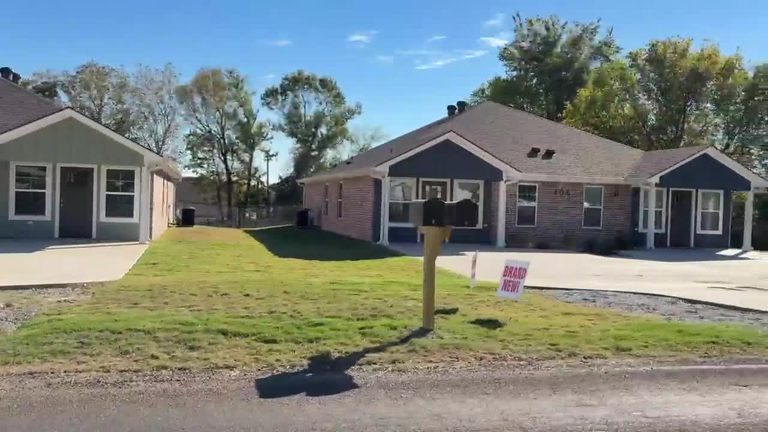
Longview, Texas – The city is undertaking a review of its zoning regulations with the goal of increasing housing density and making homes more affordable for families. Development Services Director Michael Shirley explained that current zoning rules require minimum lot sizes, setbacks and home‑size standards that limit how much land can be used for residential construction.
Proposed changes to lot and home size requirements
Shirley said the city is looking at reducing the minimum lot width from the current six‑to‑eight feet to as low as three or four feet in some cases. The changes would also permit attached housing types such as townhomes, allowing a smaller footprint while still providing quality living space.
Impact on land use and affordability
By allowing smaller lots, developers would need less land per dwelling, which could lower overall land costs – a major component of home prices. “If you can maximize that and get more dwelling units per acre, then that helps spread that cost out and helps with affordability,” Shirley said.
Learning from Dallas’ experience
Shirley pointed to recent zoning reforms in Dallas as a model. Dallas amended its fire code to let small multifamily buildings of six to eight units, built one or two stories high, fall under the residential code rather than the commercial code. This change reduces the need for expensive commercial fire‑sprinkler systems, allowing alternative, less costly suppression methods for buildings under a certain square‑footage and height.
Larger apartment complexes would still be subject to commercial‑code requirements, ensuring safety standards remain appropriate for bigger projects.
Timeline for implementation
The comprehensive zoning review is expected to take 12 to 18 months, but some of the simpler adjustments could be adopted within the next three to four months. The process will involve staff analysis, recommendations, and input from various boards and commissions, including the construction advisory board, planning and zoning commission, and ultimately the Longview City Council.
Why the city is moving inward
According to a recent community housing study, Longview cannot continue to expand outward due to limited land availability. “We have to grow inward,” Shirley said. “Being flexible with our housing types to maximize density will have an impact on overall cost.” The proposed reforms would likely allow six to eight units per roof with a maximum of two to three stories, striking a balance between density and livability.
Residents and developers alike are watching the process closely, as the outcome could shape Longview’s growth pattern for years to come.
Original reporting: KLTV 7 Tyler (news) — read the source article.