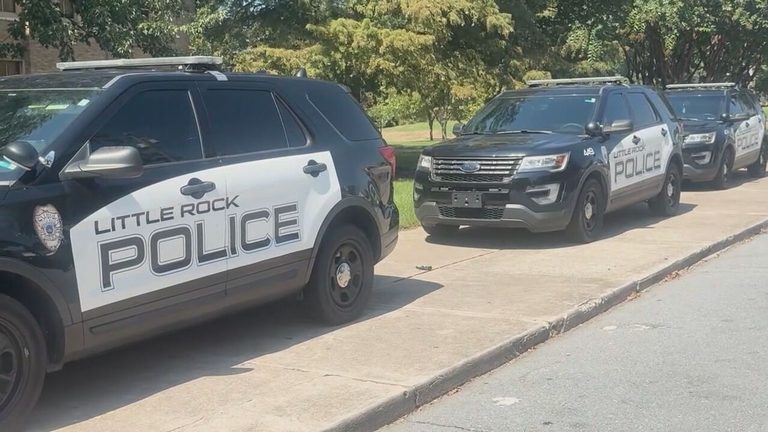
The Little Rock Fraternal Order of Police (FOP) has begun a 30‑day social‑media drive to press city officials to place 36 brand‑new patrol SUVs on the streets. The union’s posts, released late last week, point out that the vehicles were purchased in March but have yet to be outfitted and assigned to officers.
Current fleet conditions
According to the FOP, the department currently operates 192 marked patrol SUVs. Of those, 55 have logged more than 100,000 miles, 27 exceed 150,000 miles, and 33 are past the city’s scheduled replacement date. The aging fleet forces many officers to drive high‑mileage vehicles that are increasingly costly to maintain.
New vehicles awaiting upfitting
The 36 new SUVs are hybrid Ford Police Interceptor models. Before they can be used, each vehicle must undergo an upfitting process that adds lights, sirens, radios and other essential police equipment. The union notes that the previous batch of 45 SUVs required 287 days to complete upfitting, suggesting that the current batch could face a similar timeline and may not reach officers until next year.The Little Rock Board of Directors is slated to vote Tuesday night on ratifying the purchase and approving the funds needed for upfitting. The union hopes the board’s decision will accelerate the process and get the new vehicles into service promptly.
City response
City officials, the police department and the Board of Directors have not provided comment to date. The FOP indicated it will refrain from speaking publicly until the conclusion of its 30‑day campaign, allowing its social‑media posts to serve as the primary communication channel.
Transparency effort
KATV has submitted a Freedom of Information Act request for the city’s fleet work orders to gain insight into the upfitting schedule and related costs. The request is still pending, and the union is urging the public to stay informed about how municipal resources are allocated for public safety.
Why the issue matters to residents
Efficient, reliable patrol vehicles are a cornerstone of community safety. When officers must rely on aging, high‑mileage SUVs, maintenance expenses rise and response times can be affected. Promptly deploying the new hybrid fleet could reduce operating costs, improve officer safety, and demonstrate responsible stewardship of taxpayer dollars.
The Little Rock community watches closely as city leaders weigh the budgetary and logistical considerations of outfitting the new SUVs. The outcome of the upcoming board vote will shape the department’s ability to modernize its fleet and maintain effective policing across the city.
Original reporting: KATV Little Rock (local) — read the source article.