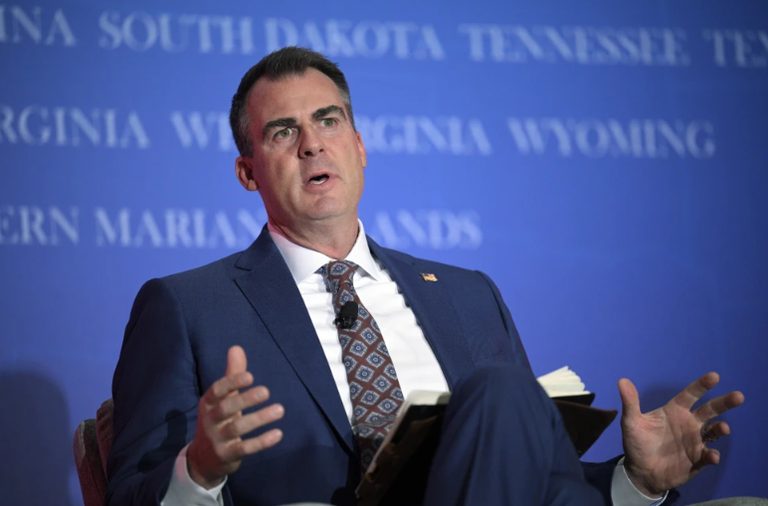
Oklahoma Governor Kevin Stitt unveiled a statewide rollout of 104 new federal Opportunity Zones, a move aimed at drawing businesses to small towns and underserved neighborhoods while generating jobs and tax revenue for local communities.
Opportunity Zones 2.0 expands across the state
The Opportunity Zones 2.0 program, first launched in 2017, offers tax breaks to investors who place businesses in designated low‑to‑moderate‑income areas. The latest round of zones will become effective on Jan. 1, 2027 and will remain in place through 2036.
Stitt explained that the selection process focused on “projects ready to go” and locations where the state could “help the most people.” More than 30 of the zones are situated in the Oklahoma City metropolitan area, including the historic Stockyards District and neighborhoods near downtown. The remaining zones are scattered throughout rural Oklahoma, giving small towns a chance to compete for new investment.
Governor’s goals for the program
Stitt emphasized that the primary goal is to attract businesses that provide high‑wage jobs and increase median household income. “My hope is you continue to see Oklahoma grow,” he said. “I’ve been focused on the median income going up in Oklahoma. It’s increased about $15,000 since I’ve been governor, so I’m trying to attract those jobs that have high wages.”
The governor also addressed concerns that the tax incentives could lure controversial enterprises such as data centers. “You can put a data center wherever you’re going to put it. This is actually incentivizing to go into low‑to‑moderate‑income areas, and so that’s what specifically these opportunity zones are,” Stitt said, underscoring that the program does not discriminate by industry as long as the investment benefits the community.
Local impact and future outlook
Local officials in several towns expressed optimism that the designations will bring much‑needed capital and employment opportunities. The tax advantages allow investors to defer and potentially reduce capital gains taxes, making Oklahoma’s underserved areas more attractive compared with neighboring states.
Stitt, whose term ends in January 2027, framed the announcement as a legacy project that will continue to generate growth after he leaves office. “I want the next wave of economic growth to be built on the foundation we’re laying now,” he said.
While the program promises significant benefits, analysts note that success will depend on the ability of local leaders to market their zones, streamline permitting processes, and ensure that new businesses integrate with existing community needs.
Overall, the Opportunity Zones 2.0 initiative represents a coordinated effort by the Trump administration’s tax‑policy framework and the Stitt administration’s focus on economic development, aiming to lift lower‑income Oklahomans through private‑sector investment.
Original reporting: Oklahoma City News Feed (HLL/CB) — read the source article.