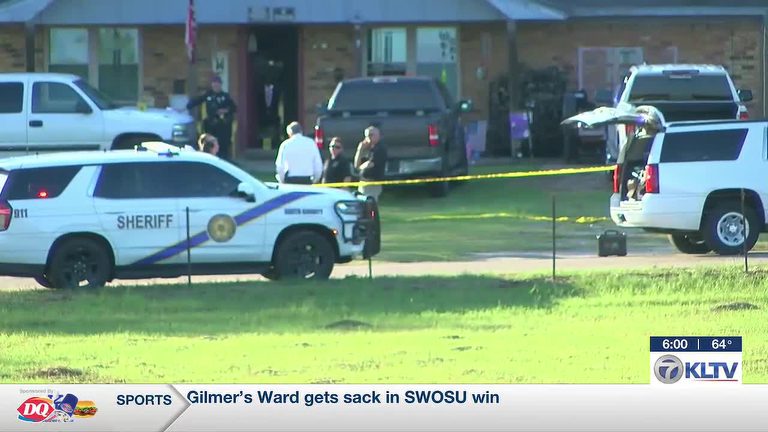
Tyler, Texas – In a November 6 ruling, a federal judge found that the Layton family has plausibly alleged that Smith County Deputy Braylon J. Barnes used unreasonable force when he shot Jonathan Layton at his home on Nov. 5, 2024. The judge rejected Barnes’ request for qualified immunity at this stage, allowing the excessive‑force claim to move forward.
Key findings from the ruling
The court emphasized that, at this pleading stage, the plaintiffs’ allegations must be accepted as true and viewed in their favor. Video evidence submitted with the complaint shows Layton’s brother opening the door while Layton stood behind him with a handgun at his side, his finger outside the trigger guard. Another deputy ordered Layton to drop the weapon. According to the judge’s summary, Barnes fired almost immediately as Layton began to turn away, discharging four rounds and striking Layton three times, resulting in his death.
Crucially, the judge wrote that the facts, when viewed in the family’s favor, indicate Layton did not raise the gun toward the officers nor display aggression. “Certainly, at no point did Jonathan raise the gun toward the officers or otherwise display aggression toward them,” the opinion stated.
Qualified‑immunity claim denied
The court concluded that the family adequately alleged a violation of a clearly established constitutional right, thereby permitting the excessive‑force claim to proceed despite Barnes’ qualified‑immunity defense. Qualified immunity shields government officials only when their conduct does not contravene clearly established law.
Other claims dismissed
While the excessive‑force claim survives, the judge dismissed the family’s allegations that Smith County itself bore responsibility for the shooting based on hiring, training, supervision, or related practices. The court found the plaintiffs failed to show a sufficiently similar pattern of misconduct or specific deficiencies in the county’s training program.
Claims against Sheriff Larry Smith were also thrown out, including a suit based on his post‑shooting media comments. Additionally, a separate due‑process claim filed by Nancy and Freddie Layton, alleging danger from Barnes’ gunfire, was dismissed. The ruling further held that Nancy Layton could not recover punitive damages under the Texas Wrongful Death Act, and Smith County could not be sued under that act.
Next steps
Smith County District Attorney Jacob Putman noted that the case now enters the discovery phase, during which both sides will gather evidence. He indicated that a trial date will be set after discovery is complete.
Michael Shore, the Layton family’s attorney with The Shore Firm in Dallas and Longview, said the family intends to file a motion seeking reconsideration of the dismissed claims. He expects to submit that motion next week.
This development underscores the importance of accountability in law‑enforcement actions and highlights the judiciary’s role in safeguarding constitutional rights at the local level.
Original reporting: KLTV 7 Tyler (news) — read the source article.