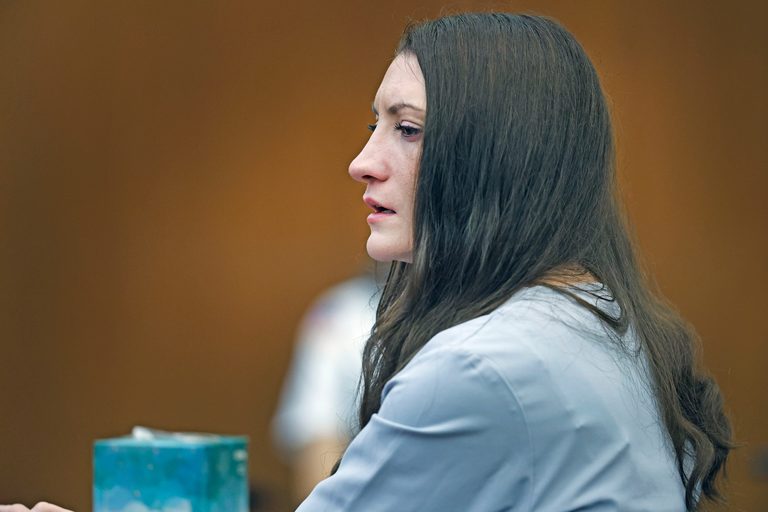
During a high‑profile murder trial in California, jurors heard how Lindsay Clancy, 36, sought extensive mental‑health treatment before the tragic deaths of her three children in January 2023. The case has drawn attention to systemic failures in postpartum mental‑health services.
Trial timeline and medical history
According to court testimony, Clancy first saw psychiatrist Dr. Jennifer Tufts at Aster Mental Health in September 2022, more than three months after the birth of her youngest child. Tufts diagnosed her with generalized anxiety disorder and an adjustment disorder with depressed mood, prescribing a low dose of the antidepressant sertraline (Zoloft). When Clancy reported worsening symptoms after her dose was increased, Tufts instructed her to stop the medication and added lorazepam, buspirone and hydroxyzine.
Over the next months, Clancy visited multiple providers, including a South Shore Hospital emergency department, psychiatric nurse practitioner Julie Paul, and later Rebecca Jollotta, who prescribed the antipsychotic Seroquel. She was also placed on a series of antidepressants—trazodone, fluoxetine (Prozac), mirtazapine (Remeron), and others—while also receiving benzodiazepines and sleep aids.
Systemic issues raised
Both prosecution and defense highlighted that Clancy’s providers often lacked full access to her medical records and failed to coordinate treatment plans. Dr. Veerle Bergink, director of Mount Sinai’s Women’s Mental Health Center, testified that “the diagnosis was missed and she did not get the right treatment” on multiple occasions, suggesting that Clancy’s condition may have been more severe than postpartum depression.
Psychologist Dr. Tracy Moran Vozar added that the case exemplifies broader communication gaps across the healthcare system, especially for patients with serious mental‑illness who see multiple clinicians in different settings.
Legal arguments
The prosecution presented 70 witnesses over six weeks, arguing that Clancy planned the killings and even drove her husband from home to carry them out. The defense countered that she was suffering from postpartum psychosis—a psychiatric emergency that can distort reality and compel harmful actions.
Closing arguments concluded on Thursday, and the jury began deliberations that afternoon. The trial’s outcome could influence how courts view mental‑health defenses and how providers address postpartum psychosis.
Implications for families and providers
For families, the case underscores the importance of vigilant, coordinated care when a new mother exhibits severe anxiety, depression, or psychotic symptoms. For clinicians, it serves as a cautionary tale about the need for comprehensive record‑sharing and timely diagnosis of postpartum psychosis, which may require different medication strategies than standard postpartum depression.
As the jury deliberates, mental‑health advocates hope the proceedings will spur reforms that better protect mothers and children while ensuring that those who need urgent psychiatric care receive it promptly and effectively.
Original reporting: NBC4 Los Angeles — read the source article.