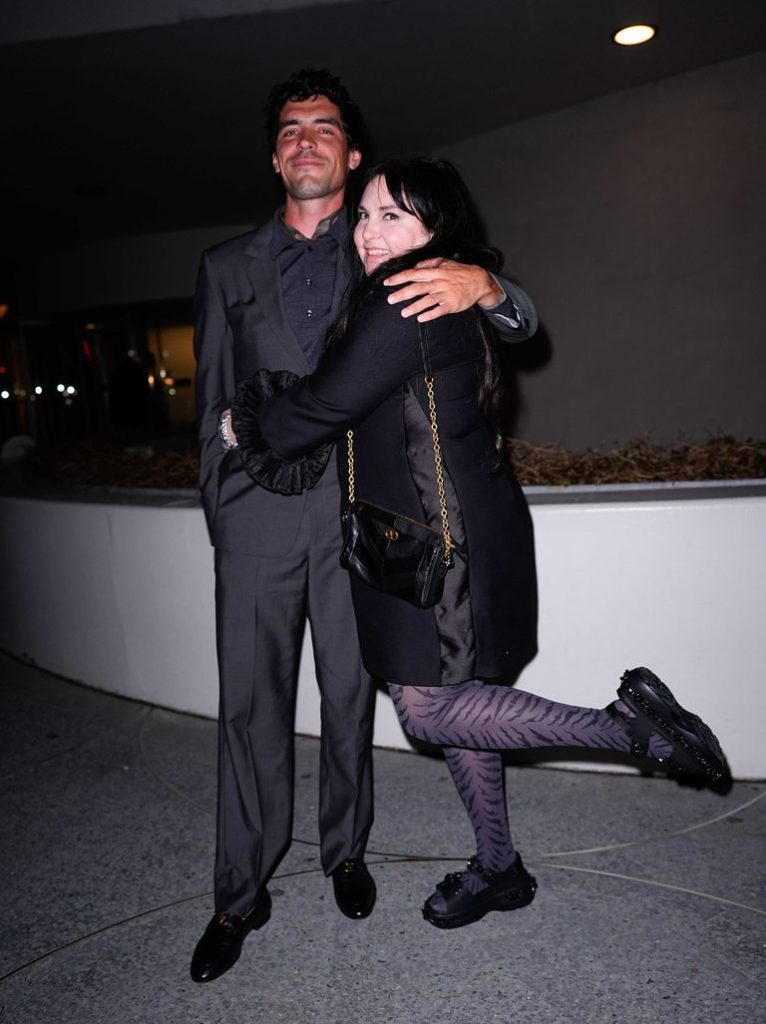
Lena Dunham, the writer‑director best known for creating the series Girls, shared a heartfelt announcement this week that she and her husband, musician Luis Felber, have become parents. In a personal essay published in Vogue, Dunham described the arrival of their daughter, who was carried by a surrogate mother.
Surrogacy and the path to parenthood
Dunham wrote that the experience of preparing a nursery and selecting baby clothes felt like a tangible step toward making the new life “real.” She said, “As the clothes stacked up in the box, so did some sense that she was becoming real. These would be her clothes. She would be a person that we helped to dress, who made an impression on the world based on our choices, until she was old enough to do it herself.”
The essay also revisited Dunham’s long‑standing battle with endometriosis, a chronic condition that caused her severe pain for more than a decade. After undergoing a hysterectomy at age 31 as part of her treatment, she faced the reality that traditional pregnancy would not be an option for her. “Some people don’t dream about being mothers, but I had, and it was a big part of my identity that I was going to do it someday in that way,” she recalled from an earlier interview.
Reflections on the surrogate experience
Dunham expressed gratitude toward the woman who carried her child, noting that the journey required patience and measured expectations. “Unlike most of life, where I have marched on expecting it all, we had learned to be trepidatious and measured on the subject of children, to know that this doesn’t happen for everyone, no matter how smooth each step is, no matter how many podcasts one’s doctor has been on,” she wrote.
She also shared a tender moment from the newborn’s first hours, describing how she whispered to her daughter, “I’m your mama. You … you look nothing like I thought you would, but exactly right. We’ve been waiting for you, do you know that? It was so nice of you to come.”
Family background
Both Dunham and Felber, now 40, were married in September 2021. Their public discussion of surrogacy adds to a growing conversation about alternative paths to parenthood, especially for those whose medical circumstances limit traditional pregnancy. While the essay focused on personal emotions and the practicalities of preparing for a new baby, it also highlighted the broader issue of reproductive choice and the importance of supportive medical options.
As the couple embarks on this new chapter, Dunham’s candid storytelling offers both a celebration of family and a reminder of the challenges many face when navigating health‑related fertility decisions. The essay resonated with readers who have experienced similar medical hurdles, and it underscores the value of openness about reproductive health in the public sphere.
Original reporting: WESH Orlando — read the source article.