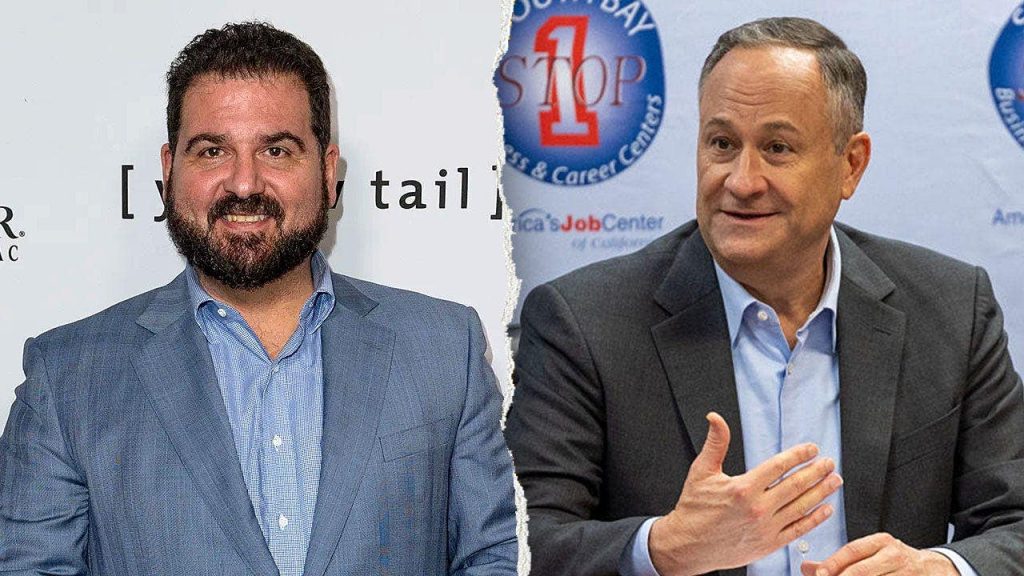
Dan Le Batard’s recent pronouncement that sports journalism is “dead” has stirred a lot more than debate about scoops. From his Miami Herald roots to high-profile interviews with Doug Emhoff and skirmishes with outlets like Deadspin, Le Batard’s record raises questions about consistency, standards, and whether his critique lands when he’s been part of the problem. This piece walks through key episodes—his comments on Shams Charania’s leak, his Emhoff interview, past hires like Howard Bryant, and public defenses of controversial outlets—to see what his eulogy for the field really means.
When Dan Le Batard said, “I’d like that time to live forever. [Sports journalism] is dead. It’s not dying, it’s dead,” he went straight for maximum drama, and people noticed. The remark came amid a dust-up over Amazon’s studio crew calling out Shams Charania for posting the league’s MVP before the official announcement. Le Batard used that moment to declare an institutional collapse, but the claim feels self-serving when you look at his track record.
Le Batard built credibility as a sharp voice at the Miami Herald, earning respect for early work in investigative reporting and columns. That history matters because it gives his later pronouncements weight, and also makes his apparent slide into performative outrage more disappointing. A seasoned journalist flipping to culture-war theater undercuts the very principles that once gave him authority.
He’s said some important things about violence against women, publicly condemning Dana White after a video showed him slapping his wife and raising concerns about accountability. But those statements clash with other decisions and interviews that read as selective at best. Critics point to this gap between rhetoric and practice as the real scandal, not the state of streaming studios or leak culture.
The Emhoff interview is the clearest example of that mismatch. A month before the 2024 election, the Daily Mail published allegations that Doug Emhoff had “forcefully slapp[ed]” an ex-girlfriend in 2012, a story that deserved at least a question in any serious sit-down. Instead, Le Batard “opened the interview” by asking, “Tell me what you’ve learned about love from your wife,” and accepted Emhoff’s answer—”Communication,”—without pressing the reported allegation at all.
No one expects every conversation to be a grilling, but when you sit down with the husband of the vice president amid a serious accusation, you don’t just skate past it. That omission reads less like kindness and more like complicity in shaping a softer public image for a political figure. For someone who loudly claims moral clarity, that kind of selective interviewing looks like a staggering double standard.
The Emhoff episode isn’t isolated. Le Batard hired Howard Bryant at Meadowlark Media despite highly publicized reports that Bryant had been arrested after allegedly assaulting his wife in public and was accused of choking her. Given Le Batard’s prior statements about violence against women, bringing Bryant onboard without addressing the concerns openly fuels skepticism. Repeated requests for answers on that hire have gone unanswered, and silence can be its own statement.
Compounding the problem, an executive producer close to Le Batard, Mike Ryan, defended the Emhoff interview by calling critics “pedos” for supporting Donald Trump, a tone that does little to reassure anyone seeking principled media standards. When defenders resort to name-calling, the debate moves from accountability to ad hominem and muddles whether real journalistic principles are at stake. That’s the kind of theater that erodes trust faster than any leaked MVP tweet.
Le Batard also defended Deadspin after it wrongly accused a 9-year-old Chiefs fan of wearing blackface, a false framing that led the family to file a defamation suit. The show’s official account later removed the clip, but the initial defense signaled a willingness to excuse sloppy or politicized coverage. If you declare journalism dead while defending outlets that publish demonstrably false stories, your obituary starts to look like a self-fulfilling prophecy.
At base, the argument that sports journalism is dying is too neat if you ignore who’s pushing the coffin. If the field struggles, it’s not just because streaming studios prioritize clicks; it’s because established voices sometimes abandon fairness and basic fact-checking for partisan performance. That’s a critique coming from conservatives and independents alike: standards matter, and hypocrisy corrodes them faster than any change in distribution models.
There are still reporters trying to do the work with fairness and rigor, and dismissing the whole profession because of leaks or sensational takes is lazy. Le Batard’s dramatic send-off for sports journalism might rally his fans, but it rings hollow when he sidesteps tough questions or shields problematic figures. The industry’s future depends on accountability, not proclamations of death from people who helped muddy the water.