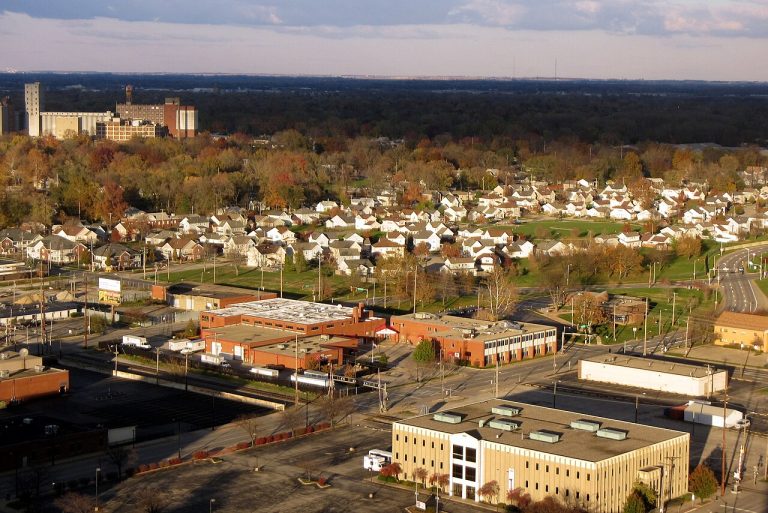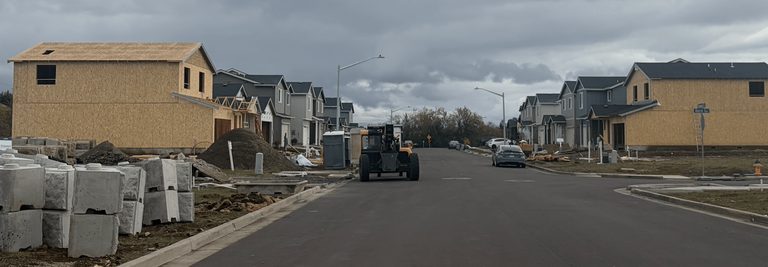
Lane County residents cherish open space, natural beauty and a small‑town feel, but those blessings come with a price. The median price of a single‑family home in the Eugene‑Springfield metro area has risen from 2.6 times the area’s median household income in 1990 to 6.1 times last year, outpacing nearly every other U.S. metro with 250,000+ residents.
Why housing supply has stalled
Between 2016 and 2025 builders averaged only 8.4 new homes per 1,000 households in Lane County, according to Moody’s Analytics data cited by The New York Times. That is the slowest rate among Oregon’s five major metros and slower than almost every comparable western city outside California.
What the numbers say
Roughly 950 housing units are built in Eugene each year, yet the city needs about 1,600 units annually for the next decade – a shortfall of 650 units per year, or a 70 % increase over recent output. Springfield averages 230 new units a year but requires roughly 470 to meet demand.
The state’s latest housing needs analysis, released in January, projects the Eugene‑Springfield area will add about 26,000 new residents by 2046. To accommodate that growth, the region must deliver 26,000 new housing units over the next 20 years.
Local options under consideration
Springfield is exploring two avenues that could help close its gap. First, the city is completing a new housing analysis required before it can expand its urban growth boundary. If successful, more land could be added to support developments like the Woodland Ridge and Marcola Meadows subdivisions.
Second, a new state law allows cities to fast‑track a one‑time growth‑boundary expansion of up to 100 acres for senior housing or manufactured homes. While neither option can be implemented overnight, both would give Springfield a tangible path toward meeting its housing goals.
Challenges in Eugene
Eugene faces a steeper climb. The city’s annual production would need to rise by 650 units – nearly a 70 % jump. Achieving that level will likely require a mix of reforms, including streamlined permitting, incentives for multi‑unit construction, and possibly revisiting fees that deter larger projects.
Developers, contractors, planners and housing advocates we spoke with all agreed that the core issue is simple: Lane County has not built enough homes. The consensus is that without decisive action, housing affordability will continue to erode, forcing families to spend a larger share of their income on shelter.
What residents can do
The Lookout Eugene‑Springfield editorial board is launching a five‑part series to explore concrete ideas for expanding housing. Readers are invited to submit op‑eds (up to 350 words) or guest columns (up to 800 words) to [email protected]. Community input will help shape the conversation as the county works to bridge the supply gap.
By focusing on practical, locally‑driven solutions, Lane County can preserve the natural beauty and small‑town character residents love while ensuring that homes remain within reach for families and workers alike.
Original reporting: Homepage – Lookout Eugene-Springfield — read the source article.