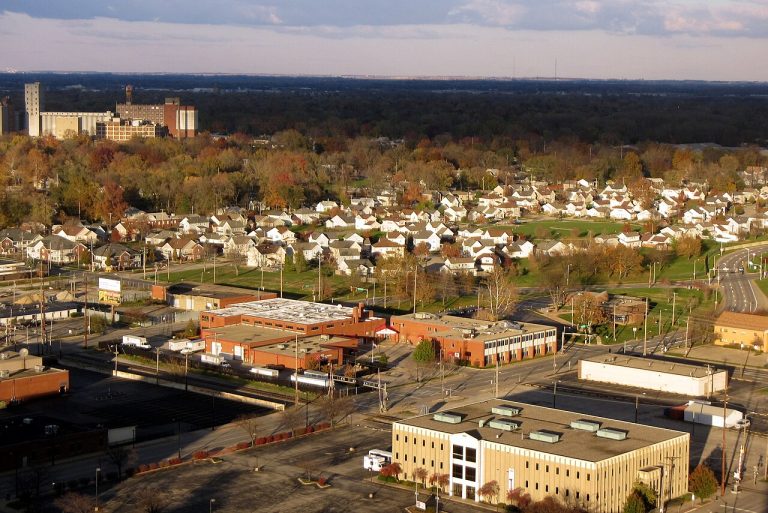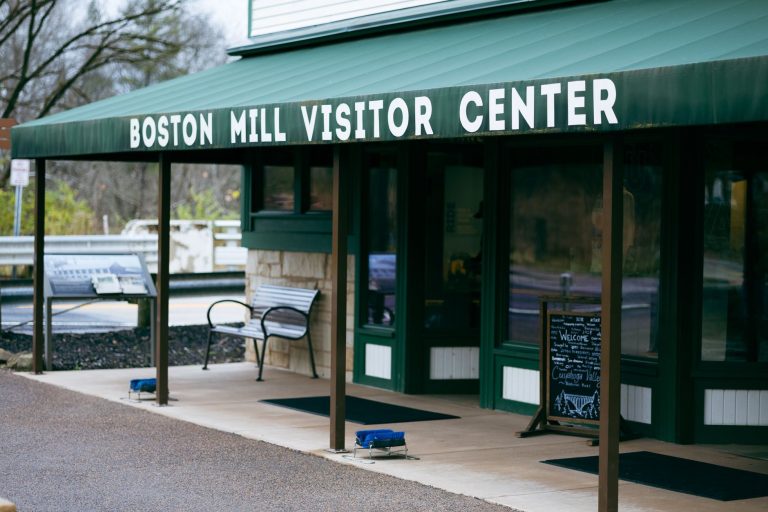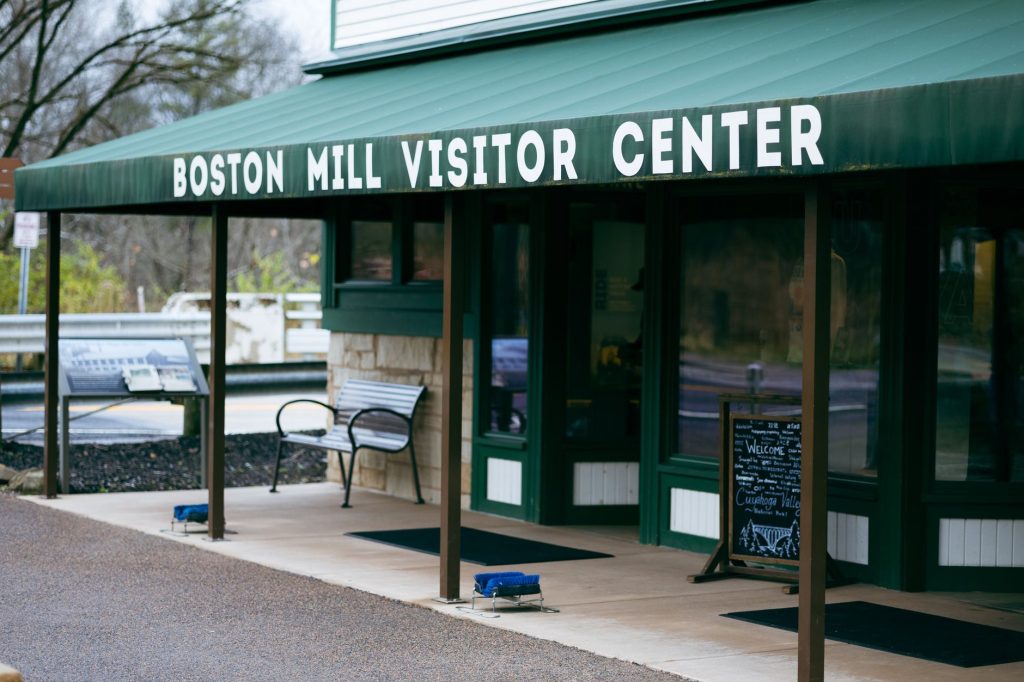
The Erie Canal ran directly through downtown Syracuse — not beside it, not near it, but straight down what is now Erie Boulevard. That fact alone is worth sitting with for a moment before you even step inside the Erie Canalway National Heritage Corridor Visitor Center on Montgomery Street.
You’ll probably arrive by car and park on the street or in one of the nearby lots off Washington Square. The building itself is unassuming from the outside — no grand marquee, no long line. Walk in and the first thing that reorients you is a large floor map showing the full 524-mile canal system. It’s one of those simple visual tools that works because it’s so literal: the route, the locks, the cities that grew up around water and commerce. Syracuse sits almost exactly at the center, which explains everything about why this city exists where it does.
The exhibits are compact but dense. This isn’t the kind of place where you sprint through in twenty minutes and feel like you’ve done it — give yourself an hour at least, ideally ninety minutes if you’re at all curious about regional history. The staff are genuinely knowledgeable and not in a performative way. If you catch someone at the desk between groups, ask them about the salt industry. The connection between the Onondaga salt works, the canal, and the city’s early economy is a thread that doesn’t get enough attention outside of academic circles, and they’ll walk you through it without making you feel like you’re in a lecture.
There are interactive stations, a short film that provides solid context on the canal’s construction and its economic ripple effects, and rotating exhibits that often highlight specific communities along the corridor. When I visited, there was a small display on the immigrant labor that built the original canal — Irish workers in particular — which ties neatly into some of the neighborhood history elsewhere in the city if you’re inclined to do a full day of it.
Admission is free, which feels almost surprising given how much content is packed in. There’s a small gift shop with regional books, maps, and gifts that aren’t the usual tourist-trap variety — a few good local history titles worth buying.
The best time to go is a weekday morning, when the place is quiet enough that you can actually read the panels without traffic around you. Weekend afternoons can get busier, especially in summer when visitors are doing canal-trail trips or passing through on the state Canalway Trail, which connects to the broader trail network just outside.
If you’re trying to understand why Syracuse is the way it is — why it’s here, why it matters, why it has the ethnic neighborhoods and industrial history and strange relationship with salt that it does — this is probably the clearest single hour you can spend on that question. It doesn’t romanticize the past or oversell the present. It just lays the history out and lets it be interesting on its own terms, which it very much is.