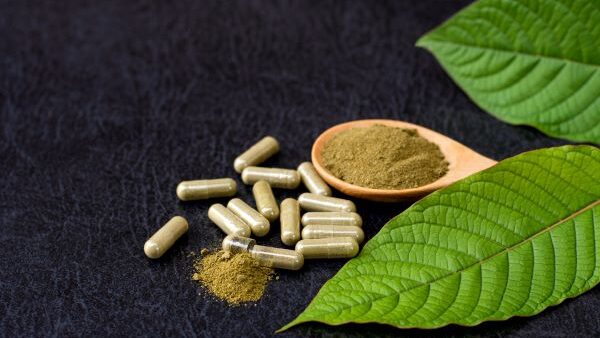
The National Survey on Drug Use and Health counted almost 2 million Americans using kratom in 2021, and usage seems to be rising across the country. This piece walks through what kratom is, where people find it, why some use it, and the safety debates around it, referencing the plant’s Southeast Asia origins and the U.S. retail landscape that includes convenience stores, vape shops, and online sellers.
Kratom is a tree native to Southeast Asia and a distant relative of the coffee plant. People harvest leaves and make powders, capsules, or extracts that are sold in shops and online, often marketed as herbal remedies. Because it’s plant-based, many users assume it is harmless, but the chemistry inside those leaves is complex and potent.
Two main alkaloids in kratom, mitragynine and 7-hydroxymitragynine, interact with brain receptors in ways that can mimic opioid effects at higher doses. That action is why some people reach for kratom to manage pain or to reduce cravings for stronger opioids, while others use it casually for mood or energy. The same receptor activity also brings real risks: dependence, withdrawal, and in some cases severe side effects.
Retail visibility has exploded; you’ll see kratom labels on shelves at gas stations and vape shops, and it’s easy to buy online. Packaging varies wildly in strength and purity, and without consistent regulation, consumers have little way to know what’s actually in a product. That inconsistency is where many public health concerns begin: contaminants, mislabeled doses, and mixes with other substances show up in testing from time to time.
Regulators and health agencies have raised alarms about safety, especially when kratom is combined with alcohol, prescription drugs, or other recreational substances. Reports of hospitalizations and deaths linked to multi-substance use involving kratom have fed calls for stricter oversight. At the same time, some users and advocates push back, arguing that responsible kratom use can be part of harm-reduction strategies for people dealing with pain or substance withdrawal.
Evidence on medical benefits remains limited and mixed; clinical trials are few, and most data come from self-reported surveys or observational studies. That makes it hard for doctors to recommend kratom with confidence, and leaves users relying on anecdote and internet forums for dosing tips. Medical professionals caution that without robust research and quality controls, it’s risky to treat kratom like a safe, proven therapy.
Dosing and effects vary widely: low amounts often produce energizing effects, while larger quantities tend to be sedating and pain-relieving. Tolerance can develop quickly for some users, which leads to higher consumption and a greater chance of withdrawal symptoms when they stop. Withdrawal can include muscle aches, irritability, insomnia, and cravings, which are familiar patterns for anyone who has dealt with substances that act on opioid receptors.
For people considering kratom, harm-reduction strategies are practical: start with the lowest effective amount, avoid combining with alcohol or sedatives, and look for vendors who provide third-party lab testing for purity. If someone has a history of substance use disorder or is taking prescription medications, they should talk to a medical professional before trying kratom. That conversation is especially important because interactions with prescription opioids or benzodiazepines can be dangerous.
In the U.S., the legal landscape remains a patchwork—some states and municipalities have banned or restricted kratom, while others allow sale with few rules. That patchwork reality means a product you buy in one place might be illegal down the road or held to a different safety standard. With public health agencies urging more research and consistent oversight, the debate over how to regulate kratom will keep evolving as both supporters and critics make their cases.