High inflation has left many American families watching every dollar, and the shift toward private‑label groceries is accelerating. A new McKinsey study shows 85% of shoppers now view store‑brand items as equal to or better than name‑brand products. For Kraft Heinz, the trend signals a need to rethink how it competes on price while protecting the reputation of its beloved brands.
CEO emphasizes earning a place in the shopper’s basket
“We can’t just rely on having a strong brand and saying that’s going to be enough,” said Steve Cahillane, chief executive of Kraft Heinz, during an interview on a tomato farm in Woodland, California. “Consumers have only so many dollars available for their food budget each month, and you have to earn the right to be in that basket every day.”
Strategic promotions at the start of the month
Cahillane explained that the company is working with retail partners to roll out “good offers” at the beginning of each month, when SNAP benefits, paychecks and other income streams boost shoppers’ purchasing power. Erin Lash, senior director of consumer equity research at Morningstar, noted that promotions can effectively drive early‑month sales, but they also risk creating a reliance on discounts.
“If customers only buy your product when they can get it for a deal, then the promotion defeats its purpose,” warned Mark Mayer, associate professor of marketing at Indiana University and former Kraft Foods brand manager.
Balancing price cuts with brand integrity
Industry experts caution that established brands should not compete solely on price. Alexander Chernev, professor of marketing at Northwestern University’s Kellogg School, said, “Competing on price is not great for established brands; slashing prices can undermine a brand’s identity.”
To avoid eroding brand equity, Kraft Heinz is limiting price reductions to categories where economics support the move. The biggest cut is in its coffee business—home to Maxwell House and Gevalia—thanks to a 30% decline in global coffee futures over the past year.
Smaller packages, not shrinkflation
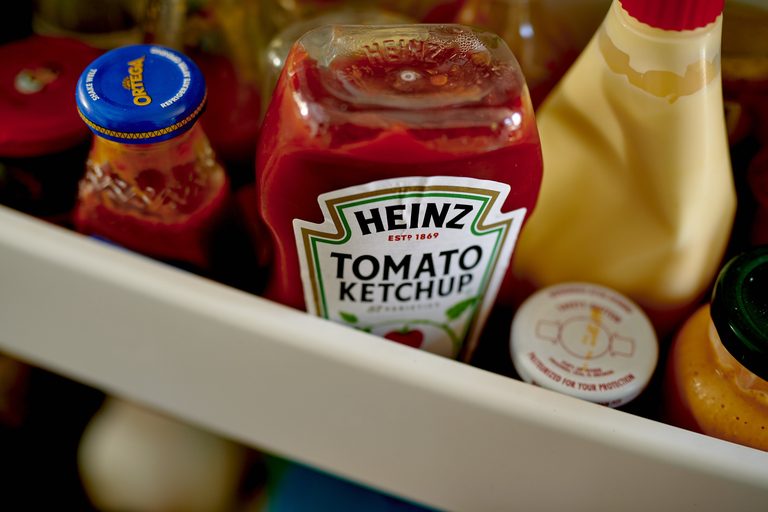
The company is also introducing smaller‑size options, such as an eight‑ounce ketchup bottle, to give families flexibility without resorting to shrinkflation. “This isn’t shrinkflation,” Cahillane said. “It’s recognizing that a 32‑ounce bottle may be too much for a family, so we offer a smaller, affordable size.”
Maintaining value through quality
Ultimately, Cahillane stresses that price is only one part of the value proposition. “Value is affordability, but it’s also delivering product quality and the promise you make to consumers,” he said. “If they buy your brand, they’ll be receiving a value they’re willing to pay for.”
Other major packaged‑food companies—including PepsiCo, Campbell’s and Mondelez—are pursuing similar strategies, offering lower‑priced options while safeguarding brand reputation. As the grocery landscape continues to evolve, Kraft Heinz’s approach aims to keep its legacy products on shelves and in family meals without sacrificing the quality that has defined the company for generations.
Original reporting: Dallas TX News (HLL/CB) — read the source article.