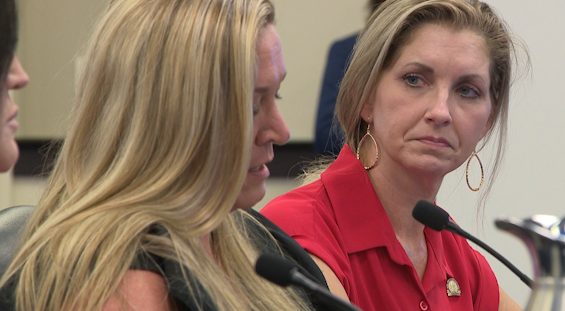
In Lexington and across the Commonwealth, survivors of domestic abuse are joining forces with state lawmakers to revive a proposal for a statewide domestic violence public registry. The measure, championed by Rep. Kim Holloway (R‑Mayfield), would list repeat offenders’ names, photos and conviction details, and require dating apps that serve Kentucky residents to provide a link to the registry and conduct background checks.
Survivor stories drive the push
“A couple of years ago, I was assaulted and I was punched in the head hard enough to break my jaw and some of my teeth,” one survivor recounted. Another described being held down with a loaded weapon pressed to the back of her head. These harrowing accounts, along with the recent murder of Candice Mackie—stabbed by an ex‑boyfriend who later drove a FedEx truck through her Lexington home—have galvanized advocates to seek stronger protective tools.
Legislative background
Earlier this year, House Bill 38, backed by survivor‑advocate Mary Ann Pratt, became law, upgrading repeated violations of protective orders from a misdemeanor to a felony. Building on that success, Pratt now supports a GPS‑monitoring program for victims and the broader registry effort.
Details of the proposed registry
The revised bill, previously filed as House Bill 773, would create a publicly accessible database of individuals convicted of multiple domestic violence offenses. It also mandates that dating apps operating in Kentucky display a link to the registry and run background checks on users. Rep. Holloway argues, “People should be able to make informed decisions about whom they allow into their lives, their homes, and the lives of their children.”
Support and criticism
Sen. Danny Carroll (R‑Paducah) praised the proposal, calling it “a good step forward and a positive step” and urging additional safeguards to strengthen it. Conversely, Rep. Stephanie Dietz (R‑Louisville) expressed concern that the registry could give a false sense of security or inadvertently endanger victims by exposing offenders’ identities.
Advocacy groups also raised worries about potential retaliation against survivors and the possibility of misusing the data. During a recent committee hearing, critics asked whether the system might create a “false sense of security” and whether it could be weaponized against victims.
Evidence and next steps
Kentucky currently ranks second in the nation for domestic violence incidents, with recent increases in arrests, reports and homicides tied to intimate‑partner abuse. Holloway noted that the proposal includes provisions to track how often the registry is accessed and to assess its impact on reporting and prosecution rates. “We should be willing to make changes when evidence indicates a necessity to do so, but the absence of perfect information should not require us to conceal information we already possess about demonstrated patterns of criminal violence,” she said.
At present, Tennessee remains the only state with an operational domestic violence registry. Kentucky’s lawmakers hope to become the second state to adopt such a tool, arguing that transparency can help families protect themselves while law‑enforcement gains a valuable resource.
What’s next?
The bill is slated for further debate in the House Judiciary Committee later this month. If passed, it would move to the Senate for consideration and could be signed into law by Governor Andy Beshear before the end of the legislative session.
Stakeholders on both sides agree that any solution must balance victim safety with due‑process protections. As the conversation continues, Kentucky’s survivors remain at the forefront, urging lawmakers to act decisively to curb the cycle of abuse.
Original reporting: WLKY Louisville — read the source article.