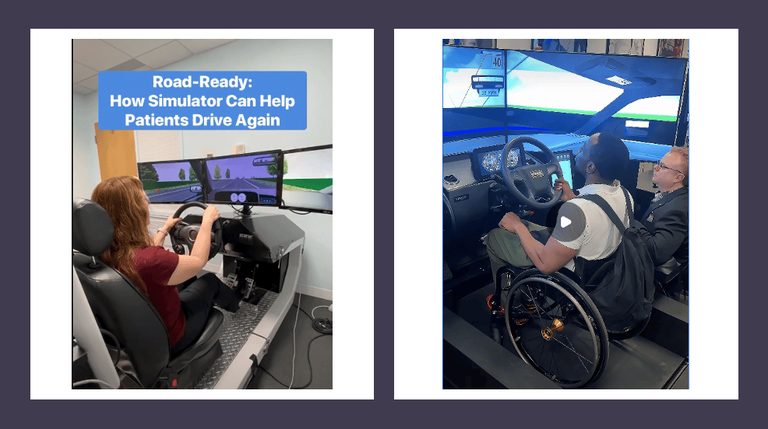
Baltimore – The International Center for Spinal Cord Injury (ICSCI) at Kennedy Krieger Institute has secured a grant from the Samuel and Margaret Gorn Foundation to purchase a state‑of‑the‑art driving simulator. The equipment will be incorporated into the center’s therapy program, allowing patients with spinal cord injuries to practice driving in a controlled environment and build the skills needed to return to the road.
Why a driving simulator matters
For many individuals living with spinal cord injuries, getting back behind the wheel is a critical step toward personal independence. Traditional driver‑rehabilitation programs often have long wait lists, and many patients lack confidence in their ability to operate a vehicle safely. Without reliable transportation, they may rely on rideshare services or public transit, which can be limiting for those with mobility challenges.
“Driving is crucial to independence,” said Anna Schneider, director of operations and business development at ICSCI. “Many of our patients cannot rely on rideshare services or public transportation. The ability to drive themselves to run errands, go down the street or attend appointments has an immeasurable impact on their lives.”
How the simulator works
The simulator replicates real‑world driving scenarios and vehicle features, enabling therapists to tailor each session to a patient’s specific level of function. Patients can practice using adaptive equipment such as hand controls, left‑foot accelerators, and steering aids. The safe, virtual setting helps improve coordination, motor skills, strength, and reaction time without the risks associated with on‑road training.
Occupational therapist Jenna Shipley added, “Many of my patients don’t realize that driving is possible after a spinal cord injury. This simulator helps show them what’s achievable and gives them the opportunity to learn how to use adaptive equipment for the first time.”
Impact on health and well‑being
Spinal cord injuries can lead to secondary health complications, including chronic pain, pressure injuries, spasticity, respiratory issues, and depression. Studies show that up to 37% of people with spinal cord injuries experience depression, often linked to reduced independence and social isolation. By restoring the ability to drive, the simulator can help reduce isolation, boost confidence, and contribute to better mental health outcomes.
ICSCI estimates the new therapeutic tool will serve roughly 100 patients each year, focusing on individuals aged 16 and older who have spinal cord injuries and related conditions. The center hopes the program will improve rehabilitation outcomes and shorten the time patients need to rely on alternative transportation.
Looking ahead
Kennedy Krieger Institute plans to monitor the simulator’s effectiveness through patient progress reports and functional assessments. Success could inspire other rehabilitation centers in Maryland and beyond to adopt similar technology, expanding access to independence for more people living with spinal cord injuries.
Original reporting: Baltimore Fishbowl — read the source article.