Kansas voters have a long tradition of splitting their ballots between state and federal offices, and the 2026 election could see that pattern repeat. In 2022, Democrat Laura Kelly was re‑elected governor while Republican Jerry Moran won a second term in the U.S. Senate. This year, the same dynamic may play out as voters weigh the choices for the Senate and the governor’s mansion.
Candidates on the ballot
Incumbent Republican Senator Roger Marshall is seeking a second term against Democratic challenger Adam Hamilton. On the governor’s side, Democrat Cindy Holscher will face Republican former state senator Ty Masterson, as Governor Kelly is term‑limited.
Voter motivations
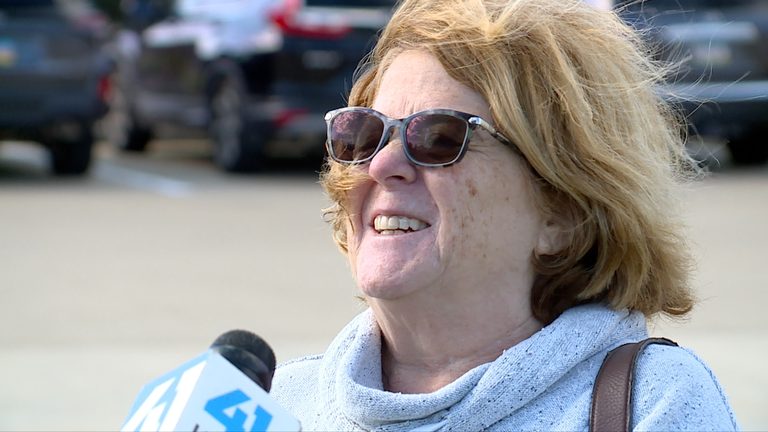
Local voters say they look to federal leaders to address broad issues such as high gas prices, immigration, and grocery costs. “Making things better, bringing gas prices and grocery prices down,” said Johnson County voter Debbi Knowles.
By contrast, many Kansans view the governor as the official who can tackle more localized concerns, especially property taxes. “Voters look at the governor to focus on more local items like property taxes, which may mean they vote for different parties down their ballot,” a resident explained.
Expert perspective
Abigail Vegtor, Ph.D., political‑science director at William Jewell College in Liberty, described Kansans as “pragmatic” voters. “They are willing to vote for a pragmatic Democrat to manage the state of Kansas,” Vegtor said. “They’re far less willing to vote for a Democrat to represent the state of Kansas on the national level.”
Unaffiliated voters
Unaffiliated voter Mimi Stoltz believes the split‑ticket trend could continue. “Absolutely. I think you need to look at the issues and what’s driving the candidates,” she said.
Election logistics
Advance voting is currently open in Kansas, with in‑person voting available through Monday, Nov. 2, at noon. Voters are encouraged to review sample ballots and consider how their priorities align with each race.
What this means for Kansas
If voters do split their tickets, the outcome could produce a mixed delegation: a Republican senator working alongside a Democratic governor. Such a balance reflects Kansas’ independent streak and may influence how state and federal policies are negotiated in the coming years.
Both campaigns are emphasizing their distinct platforms. Marshall and Hamilton are focusing on national economic recovery and border security, while Holscher and Masterson are highlighting education funding, property‑tax relief, and infrastructure improvements. As the election approaches, Kansas voters will decide whether to continue the tradition of pragmatic, split‑ticket voting that has shaped the state’s political landscape for decades.
Original reporting: KSHB 41 Kansas City (local) — read the source article.