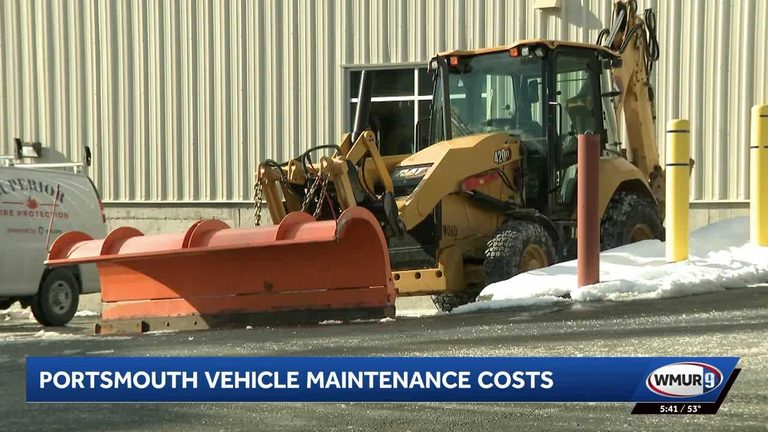
At a work session on Monday, Portsmouth city officials presented a detailed look at how the municipality manages its fleet of 318 vehicles and heavy‑equipment items, ranging from work trucks to police cars and fire engines. The discussion was part of the city’s broader improvement plan and aimed to give taxpayers a clear picture of how public funds are being used for essential services.
Rising replacement costs strain the budget
The city’s original investment in its rolling stock totaled $24.5 million. However, officials noted that today’s replacement costs are significantly higher, reflecting inflation, supply‑chain pressures, and newer technology standards. “We wanted to give folks a sense of how impactful this is in terms of the costs to the resident, but also how hard we’re working to manage those costs, find alternatives, and protect what are dwindling resources and challenged budgets as we move forward,” said Nathan Lunney, Portsmouth deputy city manager of finance and administration.
Evaluation system prioritizes repair versus replacement
Portsmouth has instituted a systematic evaluation process to decide whether a vehicle should be repaired or retired. In most cases, equipment that can still serve a useful purpose is repurposed within city departments rather than sold off. For example, a police cruiser that has completed detail work may be reassigned to a school resource officer role, extending its service life while limiting the need for a brand‑new purchase.
Transparency and community involvement
The meeting was open to the public, allowing residents to ask questions and voice concerns about the city’s fiscal stewardship. Officials emphasized that the evaluation framework is designed to be transparent, ensuring that taxpayers understand where every dollar is allocated. They also highlighted ongoing efforts to explore cost‑saving alternatives, such as bulk purchasing agreements and potential partnerships with neighboring municipalities for shared services.
Looking ahead
While the rising costs present a challenge, Portsmouth’s leadership remains confident that the new evaluation system will help stretch the city’s budget without compromising public safety or essential services. The city plans to continue monitoring vehicle performance data, adjust replacement timelines as needed, and keep the community informed of any major fiscal decisions related to the fleet.
Residents are encouraged to stay engaged with future work sessions and budget hearings, as the city seeks to balance fiscal responsibility with the need to maintain reliable transportation and emergency response capabilities.
Original reporting: WMUR (Hearst) – local news — read the source article.