WICHITA, Kan. – In a move aimed at preserving confidence in the 2026 midterm results, the Kansas Secretary of State’s office started a close‑race audit on Wednesday for the statewide contests of governor, secretary of state and attorney general. The audit, which must be completed before the county canvass deadline of Nov. 16, adds an extra 10 % of precincts in each county to the standard post‑election review.
How the audit works
Bryan Caskey, elections director for the Secretary of State’s office, explained that every county will first draw a statewide sample of precincts, then supplement that sample with an additional ten percent of precincts specifically for the three high‑profile races. “We start with every county draws a statewide race, and on top of that, an additional ten percent of the precincts for those three races,” Caskey said.
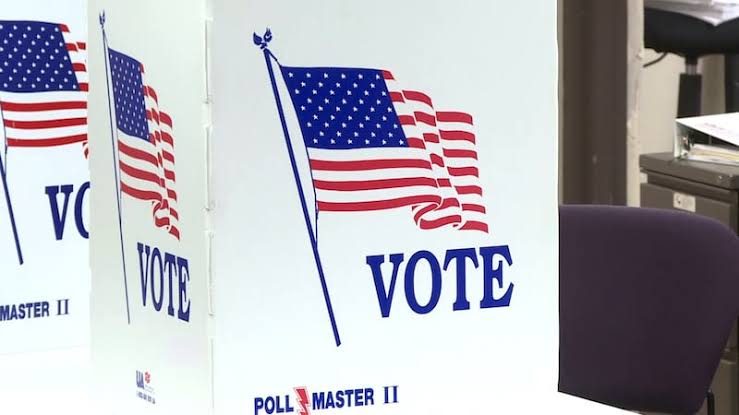
In the selected precincts, special election boards will hand‑count every ballot, comparing the physical count to the unofficial election night results. “We look at the unofficial election night results, and in the selected races and precincts, special election boards review and hand count every ballot in those precincts,” Caskey added.
House races also included
The audit will not be limited to statewide offices. Three Kansas House districts – District 27, District 40 and District 117 – will also undergo the same additional‑ten‑percent review. Those districts span parts of Johnson, Douglas and Leavenworth counties. “Those counties will audit an additional ten percent in just those three House races,” Caskey noted.
Timeline and legal requirements
The audit must be finished before the county canvass, which is required by state law to occur by Nov. 16. After the canvass, any candidate wishing to request a recount has until 5 p.m. on Nov. 17 to file the appropriate paperwork.
Kansas has conducted post‑election audits annually since 2020, a practice that the Secretary of State’s office says helps verify the integrity of every ballot. “Election day is not election day. It’s a process. But in every election, every year, we’ve been able to account for every ballot,” Caskey said.
Why the audit matters
Close‑race audits are a safeguard that many states use when margins are narrow or when public confidence calls for extra transparency. By expanding the sample size and including both statewide and select legislative contests, Kansas aims to demonstrate that the election outcomes reflect the will of the voters.
The audit’s findings will be made public, providing Kansas residents with a clear picture of how the vote was counted and reinforcing trust in the democratic process as the state moves toward the upcoming legislative session.
Original reporting: KWCH 12 (Gray) – local — read the source article.