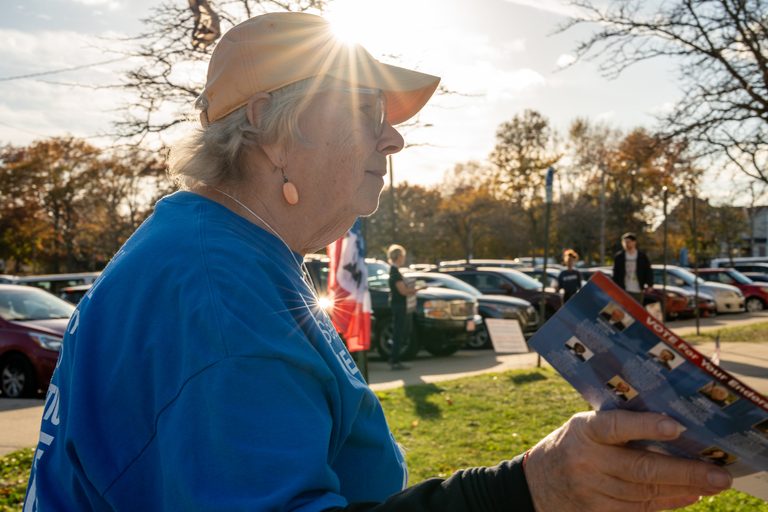
Voters in Cuyahoga County turned out at the highest rate in at least seven midterm elections, with unofficial results showing a 54.9% participation rate. This marks the strongest midterm turnout since 1998 and reflects the county’s continued political weight despite stagnant population growth.
Turnout trends and early voting surge
The 2026 midterm saw a notable increase in early in‑person voting. More than 54,000 voters cast ballots before Election Day, more than double the 19,000‑20,000 early voters in the two prior midterms. Mail‑in ballots, however, declined to just over 108,000 from roughly 157,000 in 2018, suggesting many voters preferred to avoid reliance on the U.S. Postal Service.
Suburban strength and Cleveland’s improvement
Turnout was especially high in the county’s suburbs. Bay Village, Brecksville and Independence each reported over 70% participation, while Cleveland’s wards 5 and 14 recorded the lowest rates at around 27%. Overall, Cleveland’s turnout rose to 39.7%, an 8.8‑point gain from the 30.9% level four years earlier, and close to its 40% rate in 2018.
Historical context and the Trump factor
Only twice in the past 28 years have Democratic‑leaning Cuyahoga County voters crossed the 50% turnout threshold: in 2018 and now in 2026. Both midterms occurred under President Trump and resulted in Republican losses in the U.S. House of Representatives. The 2026 turnout therefore continues a pattern of strong Democratic performance during Trump‑era elections.
Comparison with neighboring Franklin County
Franklin County, home to Columbus, posted a 56% turnout, roughly matching Cuyahoga’s rate, but with a larger total of more than 511,000 ballots cast. Since 2020, Franklin’s voting totals have consistently outpaced Cuyahoga’s, reflecting a shift in Ohio’s Democratic power base toward the growing Columbus metropolitan area.
What the numbers mean for future elections
The high turnout and strong suburban participation suggest that Cuyahoga County will remain a pivotal battleground in upcoming elections, including the 2028 presidential race. While Cleveland’s share of the county’s ballots remains significant—one in five votes—its stagnant population may limit its relative influence compared with the expanding suburbs and neighboring Franklin County.
Pending provisional ballots
There are still 11,781 provisional and overseas ballots awaiting verification. The Cuyahoga County Board of Elections expects to add these to the official count in the coming weeks, which could push the final turnout figure even higher.
Overall, the 2026 midterm turnout underscores the resilience of Democratic voters in Cuyahoga County and highlights the importance of early voting and suburban engagement in shaping Ohio’s electoral landscape.
Original reporting: Signal Cleveland — read the source article.