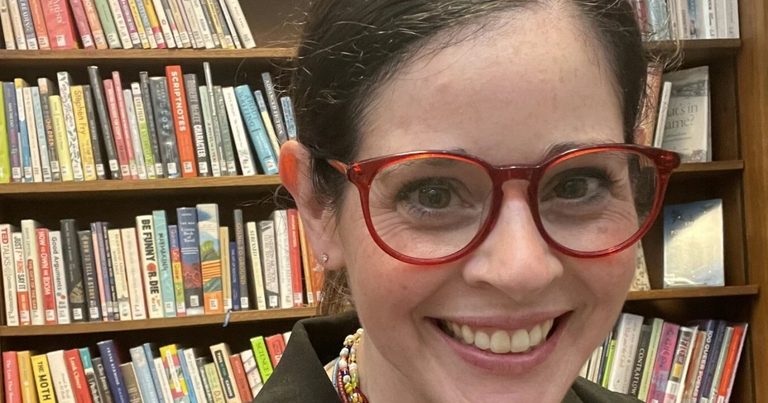
Danielle Ripley‑Burgess, a 42‑year‑old mother from Kansas City, Missouri, has faced colon cancer three times—first at 17, then at 25, and most recently at 39. Her story, told to TODAY.com, highlights a growing national trend: colorectal cancer rates are rising among younger adults.
Early warning signs ignored
In eighth grade, when she was 14, Danielle began noticing specks of blood in her stool. Embarrassed and unsure, she dismissed the symptom, even avoiding red foods in an attempt to hide the discoloration. She kept the bleeding hidden from friends and family, attributing it to puberty changes.
It wasn’t until a year or two later that she mentioned the issue to her mother. Together they researched the symptom online and initially thought it might be hemorrhoids—a condition they associated with older adults. The lack of obvious pain made her reluctant to seek medical help, and the bleeding became a normalized part of her daily life.
Diagnosis and treatment
At 16, Danielle confided in her boyfriend that she felt something was wrong, though she didn’t share details. Her mother overheard and, recognizing the seriousness, called her father. The family promptly consulted a doctor, who referred Danielle to a gastroenterologist.
Just weeks after turning 17, doctors diagnosed her with Stage 3 colon cancer. She underwent chemotherapy, radiation, and surgery to remove the tumor. To protect her ovaries from radiation, surgeons repositioned them higher in her abdomen, a procedure that later rendered natural conception impossible.
After a period of remission, routine colonoscopies every three years caught a new polyp that proved cancerous. At 25, she faced Stage 1 colon cancer, this time with no obvious symptoms. The emotional toll was heavy; Danielle admits she felt anger toward God and fear for her future, especially as she was married, owned a home, and was considering adoption.
Genetic discovery and preventive steps
Testing revealed Danielle carries Lynch syndrome, a hereditary condition that dramatically increases the risk of colorectal, uterine, and ovarian cancers. She is the first in her family to have the mutation.
To mitigate future risks, she underwent a hysterectomy to prevent uterine cancer and a subtotal colectomy, leaving only about 13 inches of colon. In 2023, surveillance colonoscopies identified additional polyps, prompting a permanent ileostomy. Pathology confirmed Stage 1 colon cancer in the removed tissue, but the surgery ensured no colon remained, effectively eliminating the chance of further colorectal cancer.
Living with Lynch syndrome
Danielle now lives without a colon and cannot develop colorectal cancer again. She and her husband adopted two children—a daughter now 16 and a son aged 5—fulfilling their desire for a family after infertility made biological children impossible.
She stresses that young people must listen to their bodies. “Don’t be embarrassed about your body,” she advises. “If you notice something uncomfortable or weird, tell a friend, family member, or doctor right away. Don’t sit alone and downplay it.”
Why her story matters
While Danielle’s experience is deeply personal, it underscores a broader public‑health concern: colorectal cancer is no longer a disease only of older adults. Early detection through regular screenings can save lives, especially for those with genetic risk factors like Lynch syndrome.
Health professionals encourage anyone with a family history of cancer, unexplained gastrointestinal symptoms, or persistent blood in stool to seek medical evaluation promptly. Danielle hopes her testimony will inspire others to act early and avoid the fear and hardship she endured.
Original reporting: Richardson, TX News (HLL/CB) — read the source article.