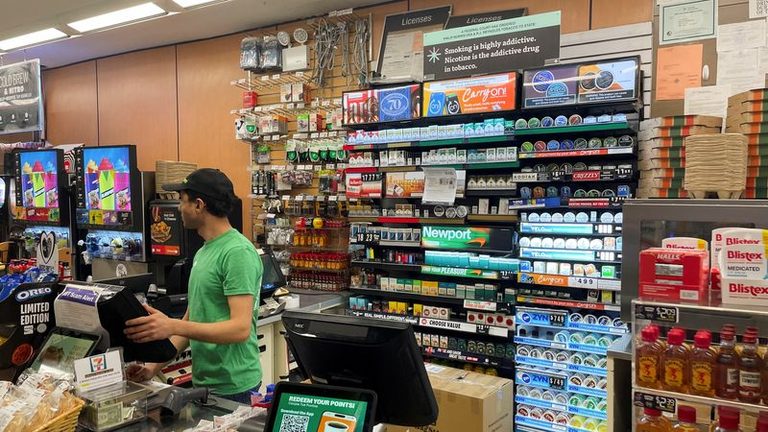
In a move aimed at shielding American shoppers from the bite of persistent inflation, 7‑Eleven Inc., the North American subsidiary of Japan’s Seven & i Holdings, is weighing a shift toward greater in‑house control of its supply chain. The plan, outlined by the company’s new chief executive officer Mauricio Leyva, seeks to trim costs that have been eroding profit margins as consumers tighten their belts.
Why the change matters for families
“Sentiment right now is that disposable income is being hit across the board,” Leyva told reporters. 7‑Eleven’s customers, many of whom rely on the chain’s convenience stores for everyday essentials, have felt the pressure of higher grocery and fuel prices. By internalizing more of its sourcing and distribution functions, the retailer hopes to keep shelves stocked with affordable options without passing additional costs onto shoppers.
From outsourcing to self‑reliance
Seven & i’s chairman Stephen Dacus echoed the sentiment, noting that the company has “outsourced too much” and that it is “probably time to develop some more in‑house capabilities.” The shift would involve bringing certain logistics, warehousing, and product‑sourcing activities back under the company’s direct management, rather than relying on third‑party providers.
Financial backdrop
The decision comes as 7‑Eleven Inc. grapples with sluggish growth in the United States. While higher fuel prices have temporarily boosted revenue at its gas stations, overall consumer demand remains muted. In April, Seven & i postponed plans to list the North American business, pushing the potential IPO to the fiscal year beginning April 2027 or later, citing market uncertainty.
Funding the transition
Leyva emphasized that longer‑term investments to support the supply‑chain overhaul will be primarily self‑funded. The company does not intend to seek external financing for the initiative, instead relying on cash flow generated by its extensive network of more than 9,000 stores across the United States.
Future IPO prospects
Both Leyva and Dacus acknowledged that a future public offering will depend on a more favorable macro environment. Dacus warned that “the macro environment for IPOs is all AI all the time,” suggesting that the surge in artificial‑intelligence‑focused investments has squeezed attention and capital away from traditional retail and consumer‑product listings.
What this means for shoppers
If successful, the in‑house supply‑chain model could help 7‑Eleven maintain its reputation for value‑priced items, from snacks to everyday household goods. By reducing reliance on external vendors, the chain hopes to pass savings directly to customers, offering a modest buffer against the ongoing cost‑of‑living squeeze.
Industry reaction
Analysts observing the retail sector note that many large convenience‑store operators are re‑examining their logistics strategies in response to inflationary pressures. While some view the move as a prudent cost‑control measure, others caution that transitioning away from established third‑party relationships could entail short‑term disruptions.
Regardless of the challenges, 7‑Eleven’s leadership remains confident that a more self‑reliant supply chain will position the company to better serve American families during a period of economic uncertainty.
Original reporting: Appleton, WI News Feed (HLL/CB) — read the source article.