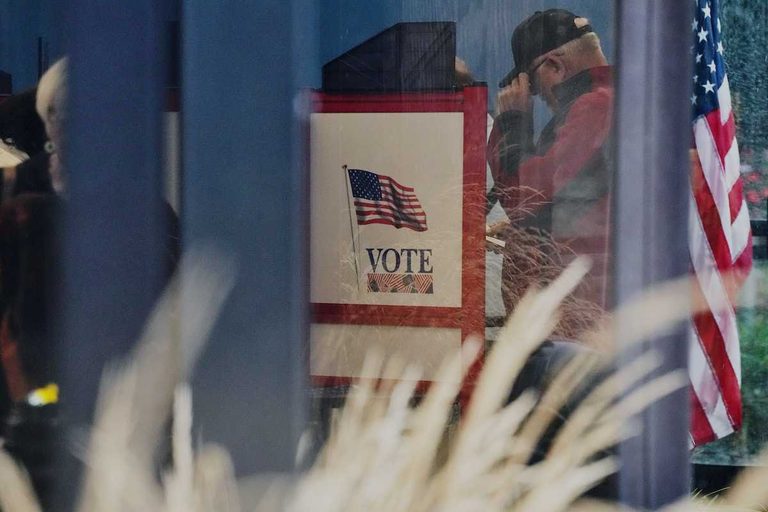
In a decisive step to safeguard the integrity of the 2026 elections, the Justice Department, under President Trump, asked a federal judge in California to set aside about 20,000 ballots that appear to have been cast by suspected illegal immigrants. The request, filed on Tuesday, emphasizes that the ballots will not be discarded but simply held until citizenship can be confirmed.
Administration’s Rationale
DOJ spokesperson Kiersten Pels told reporters, “Eligible citizens are not affected. We asked counties to set aside these ballots, not cancel them, until citizenship is confirmed.” The administration argues that allowing potentially ineligible votes to be counted could undermine public confidence in the electoral process.
Legal Challenge and State Response
California officials, including Attorney General Rob Bonta, pushed back, saying the timing—so close to Election Day—creates unnecessary risk of disenfranchising legitimate voters. “They are preparing for a blue wave and a shellacking in the midterms, and they’re planning their post‑election loss excuses by planting seeds across the country to sow distrust,” Bonta said on CNN.
Legal scholars and policy experts also raised concerns about the accuracy of the federal list used to identify suspected illegal immigrants. Stephen Richer, a legal fellow at the Cato Institute, noted, “There’s ample reason to doubt the accuracy of that list. Just because somebody’s not a confirmed citizen in those federal databases does not mean by any stretch of the imagination that the person is not a citizen.”
Historical Context and Enforcement Numbers
The Justice Department highlighted that it has charged 133 illegal immigrants across 21 states with illegal voting and registration offenses in the past eight weeks. Since the start of the second Trump administration, 177 individuals have faced voting‑fraud related charges. Richer countered that these cases represent “a fraction of a fraction of a fraction” of the more than 150 million Americans who voted in the 2020 election, suggesting the impact on overall results is minimal.
Trump’s Position
President Trump reiterated his commitment to a fair election, stating he will accept the results “if they are honest.” The administration’s push reflects a broader effort to enforce immigration laws and protect the sanctity of the ballot box, a core principle of the Constitution and the rule of law.
What This Means for Voters
For eligible voters, the DOJ says there will be no change to how their ballots are processed. The request simply adds a verification step for a small subset of ballots that may belong to individuals who are not U.S. citizens. Election officials in California are expected to follow the court’s ruling, which could set a precedent for other states facing similar concerns.
Critics continue to warn that any last‑minute changes risk confusion and could delay certification of results. Supporters argue that the measure is a necessary safeguard against potential fraud and reinforces confidence in the democratic process.
Original reporting: WESH Orlando — read the source article.