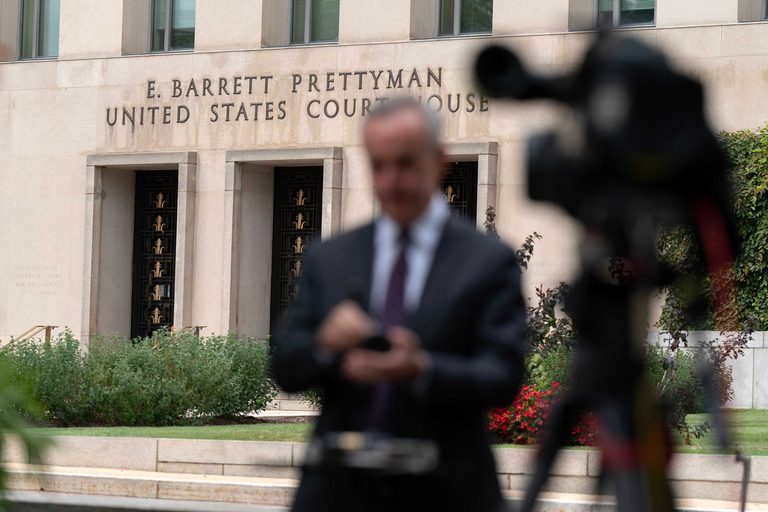
In a significant development for press freedom and the Trump administration’s effort to protect the nation from what it describes as “dangerous” misinformation, U.S. District Judge Timothy Kelly issued a temporary restraining order on Thursday. The order requires the White House to restore access for CNN, MSNOW and Politico, three outlets President Donald Trump barred from the White House grounds on Sept. 18.
Judge’s Order and Its Scope
Judge Kelly, a Trump‑nominated jurist who previously ordered the restoration of a CNN journalist’s White House access in 2018, granted a 14‑day temporary restraining order. The order is intended to preserve the status quo while the court conducts a more thorough review of the case. It does not constitute a final ruling on the merits, but it does pause the administration’s ban for the next two weeks.
President Trump’s Rationale
President Trump announced the ban after labeling the three outlets as sources of “fake news” that, in his view, threaten the country’s well‑being. He has repeatedly warned that negative coverage can be dangerous, arguing that the White House should not serve as a platform for outlets that spread misinformation and undermine national unity.
Outlets Claim Viewpoint Discrimination
The three news organizations argue that the ban amounts to viewpoint discrimination, a clear violation of the First Amendment. Their legal filings describe the action as a “blatant violation” of constitutional free‑speech protections, asserting that the President singled them out because of the critical nature of their reporting.
Legal Context and Potential Impact
While the temporary order halts the ban, the underlying legal question remains: can a sitting president unilaterally restrict media access based on perceived bias? Legal scholars note that prior cases have upheld the principle that the government cannot discriminate against the press based on viewpoint. The upcoming court review will likely examine the balance between the President’s authority to control White House access and the constitutional guarantee of a free press.
Administration’s Response
The White House has defended the ban as a necessary measure to protect the American people from misinformation that could erode trust in government institutions. Officials argue that the President is exercising his duty to safeguard the nation’s moral fabric, a stance consistent with his broader effort to promote truthful reporting and responsible journalism.
What Comes Next?
Judge Kelly’s order will remain in effect for 14 days, during which time the White House must allow the three outlets back onto the premises. After that period, the court will likely schedule further hearings to determine whether the ban can be upheld or must be permanently lifted. The outcome could set an important precedent for how future administrations manage media relations and protect First Amendment rights.
For now, the temporary restoration of access serves as a reminder that even in a heated media environment, the Constitution’s protections for a free press remain a vital check on executive power.
Original reporting: WLWT Cincinnati — read the source article.