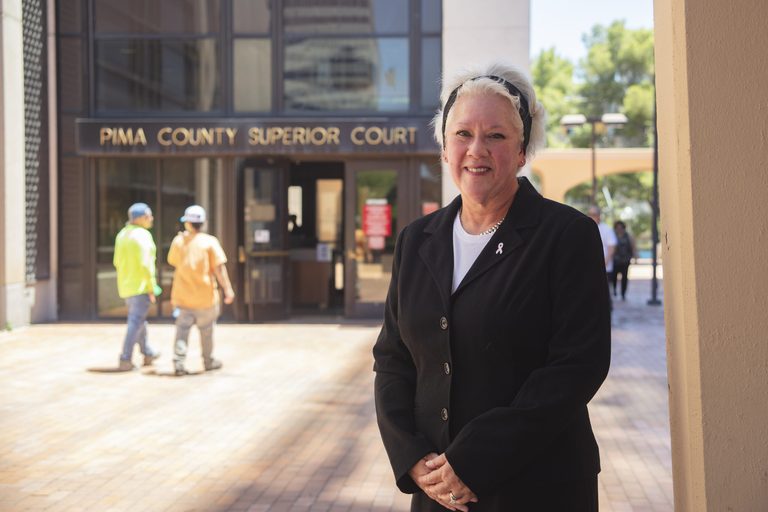
A Pima County Superior Court judge has dismissed a retaliation lawsuit filed by former University of Arizona employee Clarissa Siebern against the Arizona Board of Regents (ABOR). The ruling, issued by Judge Kyle Bryson on Monday, granted ABOR’s motion for summary judgment and denied Siebern’s competing motion, effectively ending the case without a trial.
Background of the dispute
Siebern served as the business manager for the University of Arizona’s Department of Disability and Psychoeducational Studies. She alleges she was terminated in October 2023 after raising concerns about chronic understaffing, low pay, and burnout within her department. According to ABOR, her dismissal was instead linked to a four‑month delay in processing a student worker’s payment.
Judge’s findings
Judge Bryson concluded that Siebern failed to demonstrate an intent to disclose wrongdoing under ABOR Policy 6‑914, the university’s whistleblower policy. The policy requires a disclosing employee to clearly indicate belief that misconduct occurred. Bryson noted that the emails and meeting summaries Siebern submitted merely advocated for her department’s needs rather than reporting specific violations.
Additionally, the judge ruled that Siebern’s complaints did not involve a matter of public concern, a separate prerequisite for whistleblower protection. He described her role as a liaison between her department and university leadership, stating that “communicating problems and making requests” is expected of anyone in her position and does not transform workload or pay issues into a public‑interest matter.
Disputed facts and next steps
While Bryson acknowledged that whether Siebern was fired for her complaints or for the payment delay remains a disputed fact, he deemed the question moot given his other findings. Siebern retains the right to appeal the decision and told Tucson Spotlight she is weighing her options.
In a statement, Siebern emphasized that she repeatedly reported faculty and students working without proper hiring, I‑9 processing, and other pay‑related violations. She cited sworn testimony confirming that such problems existed in other departments and colleges at the university.
Siebern described the outcome as ironic, noting that the alleged reason for her termination—delayed payment for a student worker—mirrored the very labor issue she had been flagging. She argued that managing the student’s pay fell under grant duties handled by a different team, not her own.
Broader implications
Siebern contended that her reports were not merely personal workplace grievances but were intended to expose violations of law and university policy at a public institution. She highlighted that the university moved I‑9 processing outside the university this spring, raising further questions about compliance.
She added, “If reporting systemic labor, hiring, and pay violations at a public university is not a matter of public concern, what is?” Siebern indicated she plans to raise this question with counsel as she considers an appeal.
Response from the Board of Regents
The Arizona Board of Regents did not respond to a request for comment from Tucson Spotlight.
Original reporting: Arizona Luminaria — read the source article.