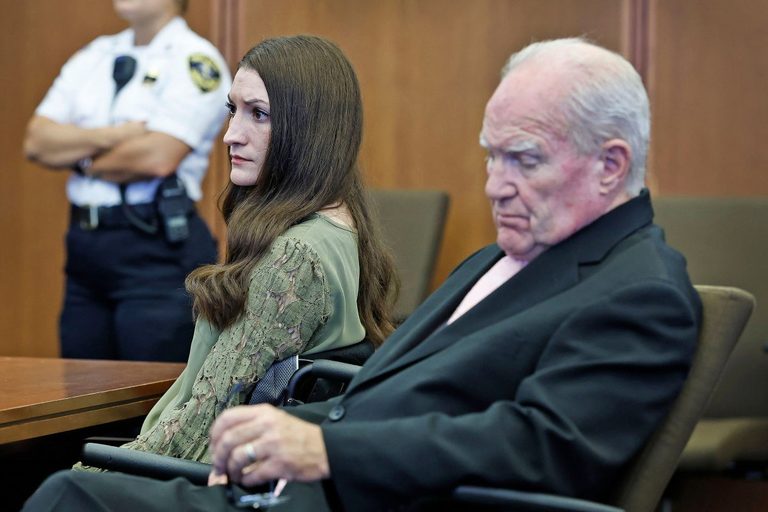
In Plymouth County, Massachusetts, Judge William Sullivan issued a written order Thursday denying a post‑trial motion filed by defense attorney Kevin Reddington on behalf of Lindsay Clancy. The motion sought a judicial finding of not guilty, arguing that prosecutors failed to present enough evidence to convince a rational juror beyond a reasonable doubt that Clancy killed her three children.
Background of the case
Clancy’s seven‑week trial ended in a mistrial after a hung jury reported an 11‑1 deadlock following six days of deliberation. The case centers on the deaths of Clancy’s children – Cora, 5; Dawson, 3; and eight‑month‑old Callan – who died in January 2023. Prosecutors allege that Clancy was responsible for the killings and subsequently attempted suicide by slashing her neck and wrists and jumping from a window.
Reddington argued at trial that Clancy was suffering from postpartum psychosis at the time of the deaths and therefore should not be held criminally responsible. He reiterated that argument in his recent motion, claiming the Commonwealth did not prove a probable cause for a murder conviction.
Judge’s reasoning
In his order, Judge Sullivan wrote that the evidence presented by the Commonwealth “was sufficient to satisfy any rational trier of fact beyond a reasonable doubt” regarding the elements of murder and the identity of the perpetrator. He noted that a motion for a required finding of not guilty is rarely granted because the defense must demonstrate that the prosecution’s case is legally insufficient – a high bar that was not met here.
The judge also indicated that he will hear arguments on Clancy’s pending motion to dismiss the case on double‑jeopardy grounds at a hearing scheduled for November 2. Additionally, Sullivan expressed an intention to set a date for a second trial, though he noted that Reddington’s schedule may not allow a trial before June.
Reactions
Prosecutors dismissed the defense’s arguments as “laughable,” maintaining that the evidence supports a murder conviction. Both Plymouth County District Attorney Timothy Cruz and Clancy’s defense team declined to comment on any ongoing plea negotiations.
The case has drawn national attention, sparking discussion about maternal mental health and the availability of postpartum resources. Supporters of Clancy have been present in the courtroom, often wearing pink, and the story has generated a sizable online following.
Next steps
The court’s denial of the not‑guilty motion does not preclude Clancy from pursuing other legal avenues, including the pending motion to dismiss on double‑jeopardy grounds. The upcoming November hearing will determine whether that argument proceeds and when a new trial date might be set.
As the legal process continues, the community and observers alike will watch closely for developments that could influence broader conversations about mental‑health defenses and the criminal justice system’s handling of such cases.
Original reporting: KTVZ (Central Oregon) — read the source article.