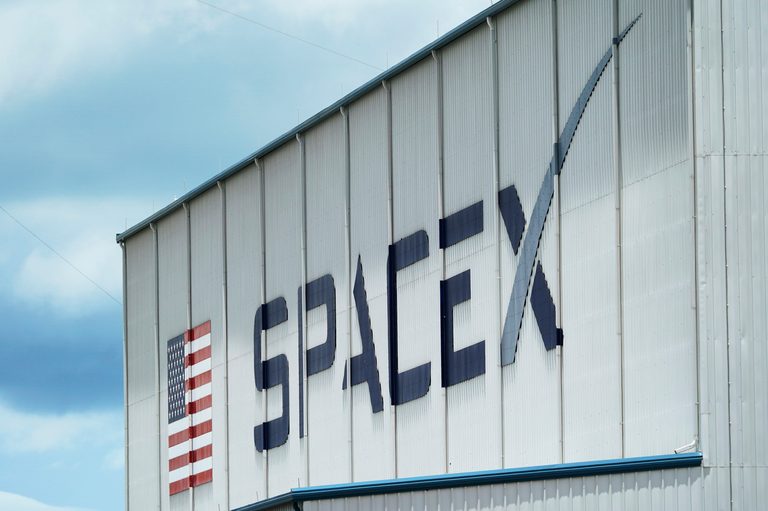
U.S. District Judge Fernando Rodriguez Jr. on Monday rejected a request from environmental groups and tribal organizations to halt a land‑swap deal approved by the Trump administration. The ruling clears the way for SpaceX to acquire more than 700 acres (280 hectares) of federal land within the Lower Rio Grande Valley National Wildlife Refuge in South Texas.
Administration’s Conservation Rationale
The Trump administration, working with the U.S. Fish and Wildlife Service, argues that the exchange will produce a net conservation benefit. In June, the agency issued a final environmental assessment concluding that the swap would cause no significant impact and would improve landscape‑scale habitat connectivity across refuges in South Texas. By receiving 683 acres (276 hectares) that SpaceX already owns, the federal government will consolidate its holdings and enhance long‑term wildlife protection.
Plaintiffs’ Claims and Court Findings
Opponents, including the Center for Biological Diversity and several tribal groups, characterized the deal as a “gift of public lands” that could open the refuge to bulldozers and private profit. They sought a preliminary injunction to stop the exchange, asserting that the swap would threaten historic, cultural, and ecological resources.
Judge Rodriguez found the plaintiffs’ evidence “relatively weak,” noting that they failed to demonstrate any specific aesthetic, environmental, cultural, or historical degradation that would occur during the litigation. He also warned that an injunction could impose additional hardship on SpaceX’s ability to meet contractual milestones for its launch operations.
Local Impact and Community Response
The land slated for transfer lies near SpaceX’s launch complex on the U.S.–Mexico border, an area that has become a focal point for both economic development and environmental stewardship in the Rio Grande Valley. Supporters of the swap point to the potential for job creation and the strengthening of the region’s aerospace sector, while emphasizing that the federal government retains stewardship responsibilities for the refuge’s wildlife.
Laiken Jordahl, spokesperson for the Center for Biological Diversity, reiterated the group’s commitment to continue legal challenges, stating, “These lands hold incredible spiritual, historical and conservation value for the people and wildlife of South Texas. We won’t stop fighting to keep this irreplaceable public wildlife refuge safe from SpaceX bulldozers.”
Agency Position
The Fish and Wildlife Service declined to comment on the judge’s decision, consistent with its policy of not commenting on ongoing litigation. The agency’s June assessment, however, highlighted that the exchange would provide substantial long‑term conservation value and improve habitat connectivity across the refuge’s 103,000 acres (41,700 hectares).
Broader Context
SpaceX’s presence in Texas has grown dramatically over the past decade, culminating in the company’s employees voting last year to incorporate a local municipal entity known as Starbase. The Trump administration’s support for the land swap aligns with its broader agenda of promoting American industry, fostering innovation, and ensuring that federal actions support both economic growth and environmental stewardship.
While the litigation will likely continue, the immediate effect of the ruling is to allow the land exchange to move forward, reflecting the administration’s confidence that the deal serves the public interest without compromising the refuge’s ecological integrity.
Original reporting: Dallas TX News (HLL/CB) — read the source article.