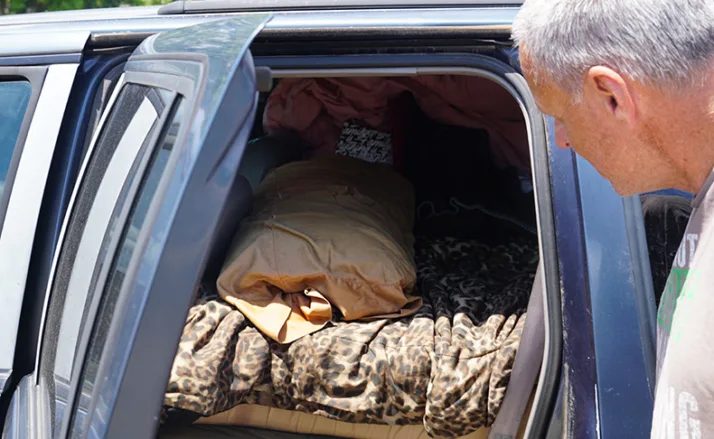
When the mercury climbs into the upper 90s and heat indexes break 100, Johnson County’s most vulnerable citizens are feeling the burn. Gina Foulks, who sleeps in her car in an Olathe parking lot, keeps her doors open and thanks God for any breeze, but she admits she could not survive without her vehicle.
Heat‑related emergencies rise
Since May 1, Johnson County MED‑ACT has responded to 81 heat‑exhaustion calls, a figure that does not include other heat‑related incidents such as unconsciousness. The National Weather Service has issued Extreme Heat Warnings through next Tuesday, with heat‑index values expected to reach 103.
Homeless counts and temporary solutions
The latest Point‑in‑Time count by United Community Services shows the county’s unhoused population grew from 253 in 2025 to 321 this year. To keep people out of the scorching streets, Project 1020 has spent $14,000 of its shelter budget on hotel rooms, currently housing about 25 individuals during the summer months.
Barb McEver, co‑founder of Project 1020, says the hotels protect residents from heat‑stroke and give them a chance to recover from recent hospitalizations before returning to the streets.
Calls for a permanent day‑center
Local officials and service providers agree that cooling centers—located in libraries and community centers—are only a stopgap. Rita Carr, director of community planning for United Community Services, urges the county to create a year‑round homeless day‑center similar to Kansas City’s Hope Faith Homeless Assistance Campus, where people can shower, do laundry and receive case‑management.
“We just don’t have an agency that provides those services here,” Carr said. “The libraries are public spaces, not designed for day‑center needs.”
County response and future plans
Johnson County commissioners acknowledge the gap. BOCC Chairman Mike Kelly noted that the recent heat wave underscores the need for more shelter capacity and that the county’s Ad Hoc Housing Committee, formed in January, is working on long‑term solutions.
While the county continues to operate cooling centers during business hours, their limited hours—especially on holidays—leave many without safe refuge. Advocates stress that a permanent facility would not only address extreme‑weather emergencies but also provide a pathway to stable housing.
Original reporting: Johnson County Post (Overland Park) — read the source article.