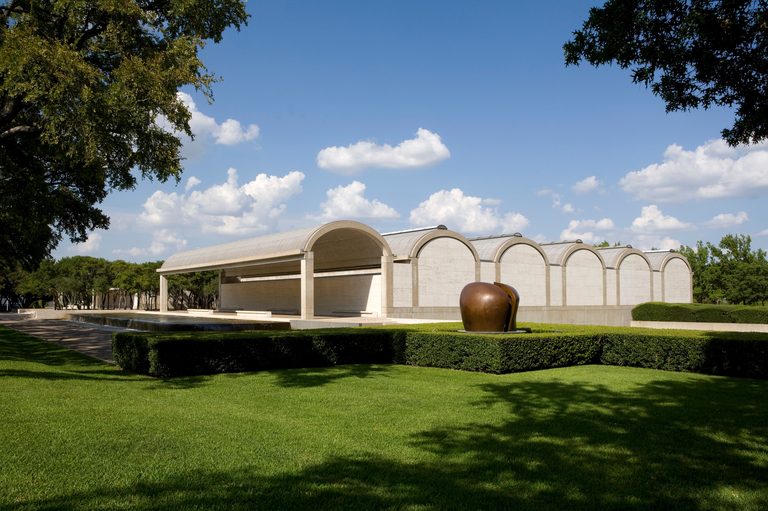
The Kimbell Art Museum announced a landmark addition to its permanent collection: Samson and Two Philistines, a bronze sculpture by Italian master Stefano Maderno. The work, dating from the late 1600s, is the first seventeenth‑century bronze to join the Kimbell’s holdings and is now on view in the museum’s Louis I. Kahn Building.
Why the acquisition matters
“Samson and the Philistines is without question one of the greatest seventeenth‑century Italian bronzes and is already integral to the Kimbell’s collection,” said Eric M. Lee, director of the museum. He added that the piece feels as though the galleries were incomplete without it, underscoring the sculpture’s artistic and historical significance.
The bronze stands just over two feet tall and captures a dramatic moment from the Old Testament. Samson, famed for his superhuman strength, lifts a donkey’s jawbone to strike a Philistine, while another fallen foe lies at his feet. The composition, with three nude male figures intertwined, reveals a new narrative detail from every angle, highlighting Maderno’s skill in both composition and bronze casting.
Stefano Maderno and the transition to the Baroque
Maderno was a leading Roman sculptor at the turn of the seventeenth century, bridging the late Renaissance (Mannerist) style of artists such as Giambologna with the emerging Baroque sensibility later epitomized by Gian Lorenzo Bernini. After an apprenticeship in Rome with Flemish sculptor Niccolò Pippi (1587‑1592), Maderno earned commissions from popes and high‑ranking church officials.
He is perhaps best known for his marble Saint Cecilia (1600) in Santa Cecilia, Rome—a work praised for its realism and poetic simplicity and influential on later Baroque sculptors, including Bernini. While Maderno also produced terracotta statuettes that were later cast in bronze, no securely dated small‑scale bronzes from his lifetime were known—until now.
Technical mastery
The bronze bears an inscription on its base naming both the sculptor and the caster, Horatio Albritio (also known as Orazio Albrizzi), along with its production date. The inscription proudly notes that the piece was cast in a single pour, an extraordinary technical achievement for the era. Careful chasing and hammering give the surface a shimmering quality that suggests a high‑level commission for both artist and caster.
“Displayed alongside the superb terracotta modello for the Triton Fountain by Maderno’s younger rival Bernini, Samson and Two Philistines enhances the Kimbell’s presentation of Roman sculptural production in the seventeenth century,” said Emerson Bowyer, chief curator at the museum. “Visitors will have the opportunity to appreciate it from every angle and experience its almost cinematically unfolding narrative.”
What visitors can expect
Patrons of the Kimbell can view the sculpture in the museum’s modernist galleries, where its dynamic form complements the building’s clean lines. The acquisition not only enriches the museum’s European art collection but also provides a tangible link to the artistic innovations that shaped the Baroque era.
The Kimbell invites the Fort Worth community and visitors from across Texas to experience this rare work, reinforcing the city’s reputation as a cultural hub in the region.
Original reporting: Dallas TX News (HLL/CB) — read the source article.