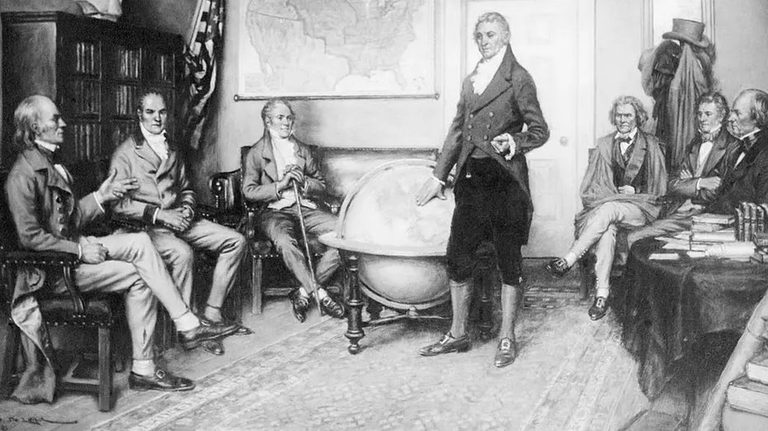
President John Quincy Adams, while serving as minister to Russia, wrote a series of letters to his son emphasizing a simple yet profound daily habit: reading the Bible. He believed that no education is complete without Scripture, calling it the book that most contributes to making men “good, wise, and happy.”
Faith as the foundation of civic character
Adams argued that children shaped by the Bible would become “useful citizens to their country” and “respectable members of society.” He saw the moral lessons of the Hebrew Scriptures—Genesis, Exodus, the Ten Commandments, and the Law of Moses—as a revolutionary blend of justice and humanity that secular law could not replicate.
Why the Bible matters for today’s schools and families
In an era where civic literacy is declining, Adams’ insight offers a reminder that the Constitution outlines how a free people govern, but it does not teach the virtues needed to preserve that freedom. He urged parents, especially fathers, to take the lead in imparting these values, rather than relying solely on schools, government, or popular culture.
Adams believed the Mosaic Law taught duties to others as duties to God, protecting strangers, widows, orphans, and even enemies—principles that align with America’s founding ideals of liberty and responsibility.
Modern implications for parental involvement
Today’s families face a cultural shift where self‑esteem often outweighs self‑government. Adams’ letters suggest that restoring daily Bible study can help young people distinguish rights from responsibilities, develop resilience, and understand the moral underpinnings of the law.
For communities seeking stronger schools and more engaged citizens, the message is clear: encouraging families to read Scripture together can reinforce the character needed for a thriving republic.
Original reporting: Fox News (HLL/CB) — read the source article.