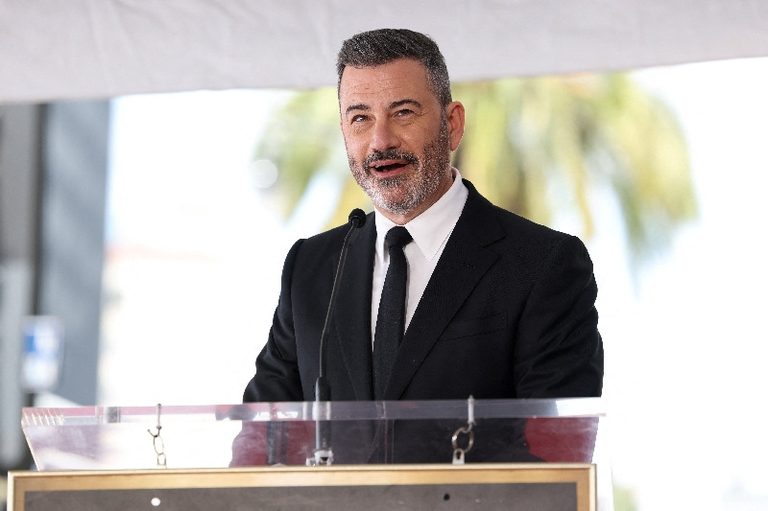
Washington – ABC late‑night host Jimmy Kimmel told reporters on Thursday that his interview with Democratic Senate candidate James Talarico will not air during the network’s primetime lineup. Instead, the conversation will be uploaded to YouTube, a decision Kimmel said was forced by recent actions from the Federal Communications Commission.
FCC’s shift on talk‑show exemptions
In January, the FCC, now under Republican leadership, issued a ruling that daytime and late‑night television talk programs are no longer considered “bona fide” news outlets for the purposes of the equal‑time rule. The rule requires broadcasters to provide comparable airtime to opposing political candidates when a program is deemed a news platform.
Kimmel emphasized that for decades talk shows have been free to interview political figures without triggering the equal‑time requirement. The new FCC interpretation, however, treats shows like Jimmy Kimmel Live! as subject to the same constraints as traditional news programs.
Kimmel’s response and the interview’s new home
“We’ve always been able to sit down with candidates and ask the tough questions without worrying about the equal‑time law,” Kimmel said. “Now the FCC says we have to treat our show like a news broadcast, which changes the game for us.” He added that moving the interview to YouTube allows the conversation to proceed without violating the commission’s rules.
The interview with James Talarico, a former Texas state representative now running for the U.S. Senate, will be posted on Kimmel’s official YouTube channel later Thursday. The platform choice ensures the content remains publicly accessible while sidestepping the broadcast restrictions.
Implications for media and political discourse
The FCC’s decision has drawn criticism from media executives and free‑speech advocates who argue it could chill political dialogue on popular talk shows. By extending equal‑time obligations to entertainment‑focused programs, the commission may force networks to either restructure interview segments or shift them to online venues, potentially reducing the reach of candidate messages.
Supporters of the rule contend that it levels the playing field, ensuring that all candidates receive equal exposure on widely viewed platforms. They point to the principle that any program with a political component should not give an unfair advantage to one side.
What’s next for the Trump administration’s media policy?
The FCC’s move aligns with broader efforts by the Trump administration to reinforce conservative viewpoints on regulatory matters. While the administration has not directly commented on the Kimmel decision, its emphasis on “fairness” in media coverage suggests continued support for the commission’s interpretation.
For viewers, the shift means that political interviews may increasingly appear online rather than on traditional television. Networks will need to weigh the costs of compliance against the desire to maintain robust political programming.
About James Talarico
James Talarico, a former member of the Texas House of Representatives, announced his Senate bid earlier this year. He has focused his campaign on education reform, economic opportunity, and protecting voting rights. The YouTube interview is expected to cover his policy priorities and his vision for Texas in the U.S. Senate.
Original reporting: Appleton, WI News Feed (HLL/CB) — read the source article.