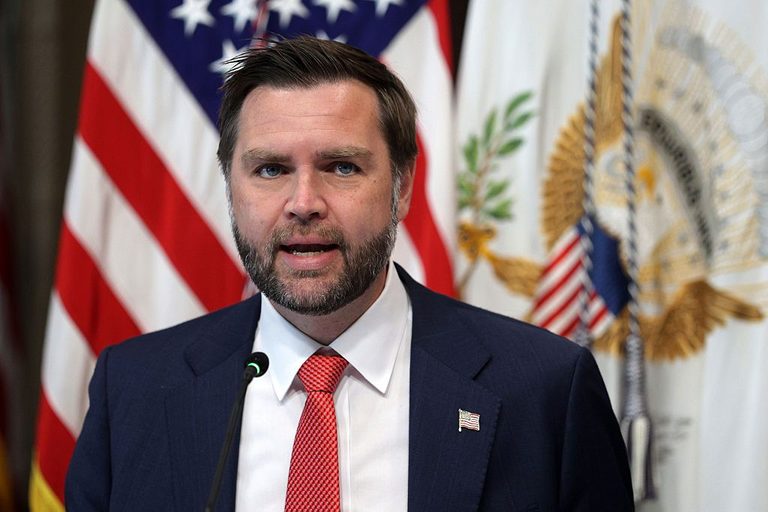
During a segment on Indianapolis‑based talk show Tony Katz Today, Senate candidate JD Vance raised concerns about the United States maintaining the dollar as the global reserve currency. Vance suggested that the arrangement creates a “raw deal” for American producers, flooding the market with cheap imports, eroding domestic manufacturing, and effectively taxing U.S. businesses to subsidize consumer purchasing power.
Economic experts push back
To evaluate Vance’s assertions, Katz invited Phil Magness, the David J. Theroux Chair in Political Economy at the Independent Institute. Magness outlined the historical context: the dollar has served as the world’s reserve currency since the end of World War II, a status built on confidence in American monetary stability. This role encourages foreign governments to hold U.S. Treasury securities, keeps import prices low, and allows the United States to borrow at favorable rates.
Vance cited the Triffin dilemma—a theory that a reserve‑currency nation may face persistent trade deficits because it must supply the world with its currency. Magness noted that the dilemma applied to the fixed‑exchange‑rate Bretton Woods system, which the United States abandoned in the 1970s. Under today’s floating‑exchange regime, the argument does not hold the same weight.
Protectionist tariffs versus currency policy
According to Magness, Vance’s real policy focus is on protectionist tariffs rather than currency status. “He always comes back to the same point,” Magness said, emphasizing that cheap imports are the perceived enemy and that reserve‑currency status merely amplifies the problem. Magness likened Vance’s stance to “an alcoholic blaming the bottle of beer for his alcoholism,” arguing that the dollar itself is not the disease; the tariffs are.
Magness warned that existing tariffs are already contributing to higher prices at checkout counters and gas pumps—issues voters are directly feeling. He cautioned that expanding tariffs, especially against long‑standing trading partners such as Canada, would likely raise costs further and push allies closer to China.
Broader foreign‑policy implications
Katz pressed the discussion toward a larger worldview, suggesting Vance’s economic isolationism aligns with a desire for less global entanglement, reduced trade, and limited international involvement. While Magness agreed that the United States should not act as the world’s police, he described the notion of abandoning the dollar’s reserve status and imposing sweeping tariffs as “complete insanity,” noting the potential damage to strategic alliances.
The conversation concluded that cheap goods are not the crisis Vance portrays, and the remedies he proposes could exacerbate the very problems they aim to solve. Listeners can hear the full segment on WIBC 93.1 FM or stream it on the show’s podcast platform.
Original reporting: 93.1 WIBC (Indianapolis) — read the source article.