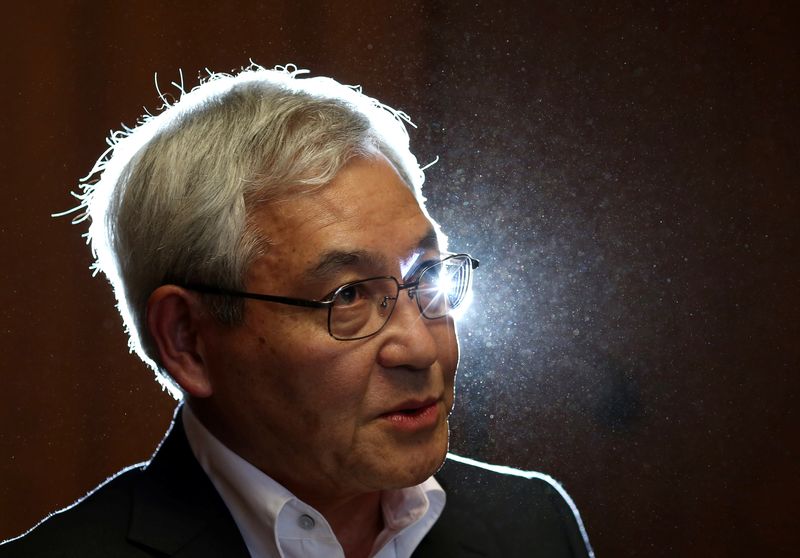
Japan is at a critical juncture as it faces the potential for economic stagnation if the Bank of Japan (BOJ) does not act swiftly to raise interest rates, according to former BOJ board member Makoto Sakurai. The ongoing conflict in Iran has led to inflationary pressures that could force the central bank to increase rates aggressively if they delay action.
Historical Lessons and Current Challenges
Sakurai draws parallels to past economic events, such as the oil shocks of the 1970s and Japan’s asset bubble in the late 1980s, which were exacerbated by delayed policy responses. The BOJ’s previous experience of maintaining low rates despite soaring asset prices eventually led to a series of aggressive rate hikes, causing a prolonged period of economic stagnation.
Currently, Japan’s economy is experiencing broadening price pressures due to the energy shock from the Iran war. Sakurai emphasizes the importance of timely action, stating that forgoing a rate hike in June is unthinkable given the circumstances. The BOJ has already exited a decade-long stimulus program and raised rates several times, yet the short-term policy rate remains low at 0.75%.
Market Reactions and Economic Indicators
Market analysts are anticipating a rate hike to 1% in June, with an 80% probability priced in. However, the BOJ faces a complex decision as higher energy costs drive inflation while also straining an economy reliant on oil imports. Japan’s GDP grew by an annualized 2.1% in the first quarter, but growth is expected to slow due to rising fuel costs and supply disruptions.
Inflationary pressures are mounting, with a weak yen and labor shortages pushing firms to increase prices. Although subsidies have kept core consumer inflation below the BOJ’s 2% target recently, it is projected to rise to around 3.5% by autumn as companies pass on increased costs.
Potential Economic Risks
Sakurai also highlights early signs of a bubble in Japan’s stock and property markets, which the central bank has identified as risks. The Nikkei share average recently surpassed 67,000, driven by AI-related stocks, while land prices have surged at their fastest pace in decades.
In conclusion, Sakurai warns that if the BOJ hesitates to raise rates now, it may be forced to do so rapidly later, potentially harming the economy. The situation serves as a reminder of the importance of learning from past policy mistakes to avoid repeating Japan’s lost decades.
Original reporting: Appleton, WI News Feed (HLL/CB) — read the source article.