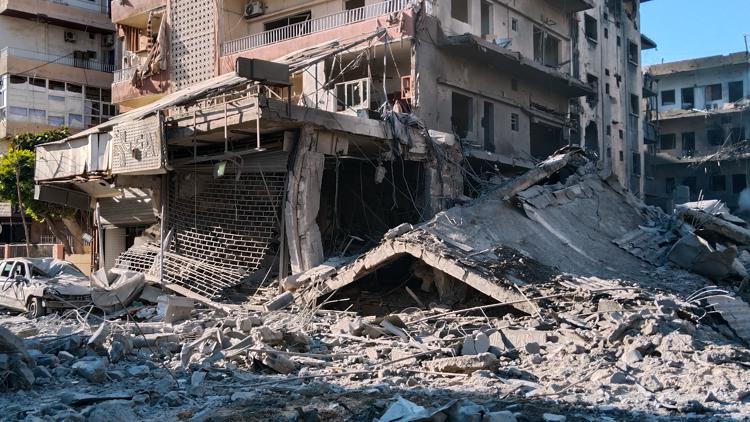
In a significant military move, Israeli forces have made their deepest incursion into Lebanon since withdrawing over 25 years ago. This action poses challenges to the emerging deal aimed at extending the ceasefire in the Iran conflict, as Tehran insists on including Lebanon in any agreement. The situation has drawn international concern, with Qatar labeling it a ‘dangerous escalation’ and Germany expressing serious concern.
Historic Fort Seized
On Sunday, Israeli forces captured Beaufort, a fort with a thousand-year history, offering strategic views across Lebanon and northern Israel. Israeli Prime Minister Benjamin Netanyahu has emphasized its symbolic importance, while Defense Minister Israel Katz aims to integrate it into Israel’s security zone. However, experts like Orna Mizrahi suggest that military presence alone won’t resolve the Hezbollah issue, advocating for diplomatic solutions.
Hezbollah and Regional Tensions
Hezbollah, backed by Iran, has long been a threat to Israel, particularly in northern communities. The group has launched numerous attacks, prompting Israel’s military actions. Despite a U.S.-brokered ceasefire in 2024, tensions have persisted, with Hezbollah reportedly rearming. The current conflict has resulted in significant casualties and displacement, with over 3,300 Lebanese, including children, killed since March 2, and about 1 million displaced.
Lebanese Response and Diplomatic Efforts
Lebanon’s Prime Minister Nawaf Salam has accused Israel of widespread destruction, and many Lebanese have fled to Beirut. Direct talks between Israel and Lebanon began in April, focusing on Israeli withdrawal and Hezbollah disarmament. However, Hezbollah refuses to participate, preferring Iran’s involvement. The Lebanese populace remains divided over the talks, with some viewing them as a necessary, albeit uncertain, step towards peace.
Original reporting: KGW Portland — read the source article.